Leveraging Instagram to Find Sponsorship Opportunities

Getting paid to post on Instagram sounds like a dream, but for creators who build their accounts strategically, it becomes a repeatable business model. Brands spend serious money on influencer partnerships every year, with annual influencer marketing spend exceeding $500,000 at 14.5% of companies surveyed, and a significant portion of that budget flows through Instagram. The platform's visual format, engaged user base, and shopping features make it attractive to companies selling everything from protein powder to software subscriptions.
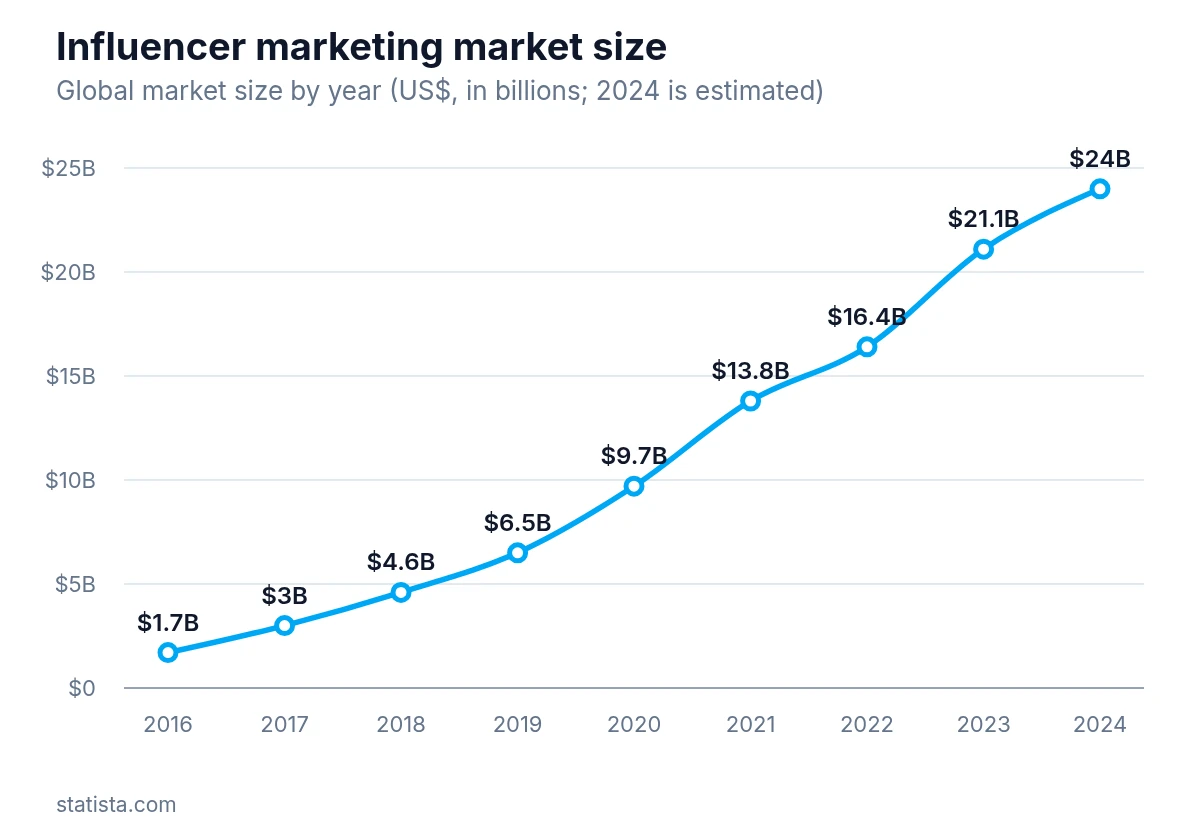
The global influencer marketing market grew from $1.7 billion in 2016 to an estimated $24 billion in 2024.
The challenge is that most creators wait to be discovered. They post content, grow their following, and hope a brand eventually slides into their DMs with an offer. That passive approach works occasionally, but it leaves money on the table and puts you at the mercy of timing and luck. The creators who build consistent sponsorship income treat it like a sales process: they identify targets, make contact, pitch their value, and follow up.
This guide covers how to do exactly that, from optimizing your profile to close a deal.
Why Instagram Still Works for Brand Deals
Plenty of platforms compete for creator attention, but Instagram holds specific advantages for sponsorship work.
The audience skews toward people with purchasing power. Users on the platform tend to be in age brackets that brands actively target, and the platform's shopping integrations mean that content can drive direct sales, not just awareness. Brands can track results more clearly than they could with a billboard or a magazine ad, which makes them more willing to spend.
Instagram also supports multiple content formats within a single account. You can run a sponsored feed post, a Story with a swipe-up link, a Reel, and a Live session all as part of one campaign. That flexibility lets you offer brands more than a single placement, which increases the value of each partnership.
The algorithm also rewards consistency and engagement over raw follower counts. A creator with 8,000 highly engaged followers in a specific niche can command better rates than someone with 80,000 passive followers spread across unrelated topics. Brands have figured this out, and many now prioritize engagement rate and audience quality over vanity metrics.
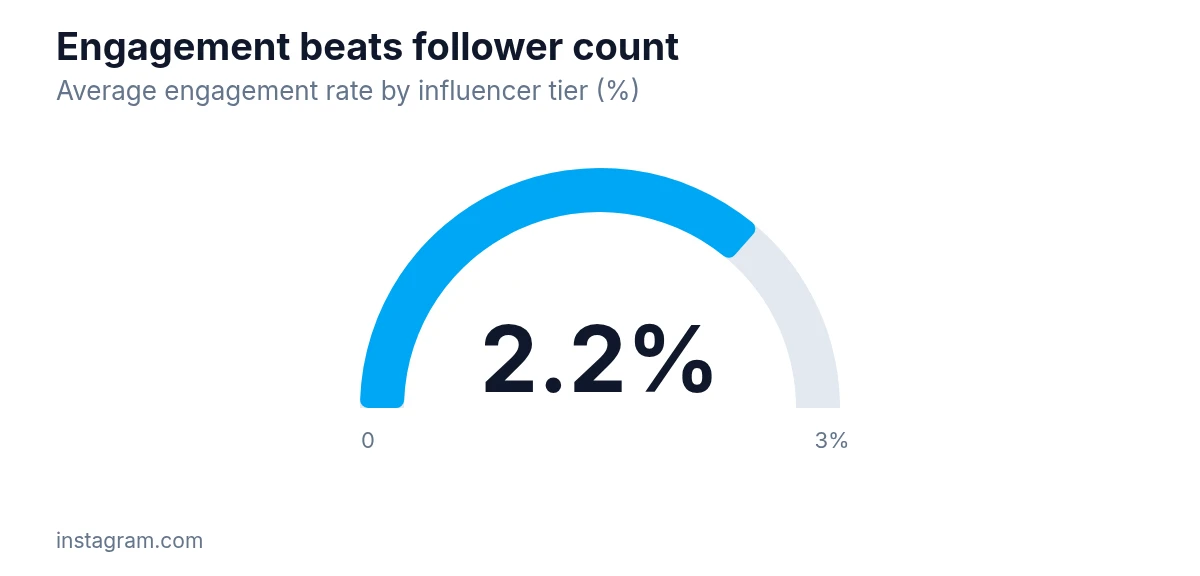
The average engagement rate is 2.19%.
Building a Profile That Attracts Brand Interest
Before reaching out to any brand, your profile needs to communicate your value at a glance. A potential sponsor will spend about ten seconds on your page before deciding whether to keep reading or move on.
The Bio Does More Work Than You Think
Your bio is prime real estate. It should tell a visitor exactly who you are, who you create content for, and what kind of content they will find. Vague bios like "living my best life" or "content creator" do not help brands understand whether your audience matches their customer.
Be specific. If you post about budget travel for solo women over 30, say that. If you cover home renovation projects for first-time buyers, say that. Specificity signals that you have a defined audience, which is exactly what brands want.
Include a contact email in your bio or in the designated contact field. Brands should never have to hunt for a way to reach you. Many sponsorship opportunities are lost simply because a creator made it too difficult to make contact.
Content Quality and Consistency
You do not need a professional camera, but your content does need to look intentional. Good lighting, clear audio on videos, and thoughtful composition signal that you take your work seriously. Brands are trusting you to represent their product visually, and they will look at your existing content as a preview of what they would get.
Consistency matters in two ways: posting frequency and visual style. Posting regularly tells brands that you are active and reliable. A consistent visual style, whether that is a particular color palette, editing approach, or content format, makes your feed look like a professional media property rather than a personal photo dump.
Engagement Rate as a Selling Point
Before approaching any brand, calculate your engagement rate. Add up the average likes and comments on your last 20 posts, divide by your follower count, and multiply by 100. According to Instagram engagement-rate benchmarks, 1% to 3% is considered strong performance across most industries, with anything above 3% exceptional.
This number matters because it tells brands how many of your followers actually pay attention. A 4% engagement rate on 10,000 followers means roughly 400 people interact with each post. That is a real, measurable audience, and it is a number you can put in a pitch.
Finding Brands Worth Approaching
Random outreach is a waste of time. The goal is to identify brands that already understand influencer marketing, sell products relevant to your audience, and have budgets for partnerships.
Look at Who Your Competitors Are Working With
Find three to five creators in your niche who are slightly larger than you. Look through their recent posts and Stories, paying attention to any sponsored content. The brands they are working with are already investing in influencer partnerships in your category. They know how the process works, they have budgets allocated, and they are open to this kind of deal.
Make a list of every brand you spot. These are your warm targets.
Check Brand Accounts Directly
Visit the Instagram accounts of brands you already use or genuinely like. Look at their feed and see whether they repost creator content, tag other accounts, or run campaigns that involve outside creators. Brands that actively engage with creator content are far more likely to respond to a pitch than brands that only post their own polished photography.
Also look at their following count versus their engagement. A brand that actively responds to comments and engages with their community is one that values authentic connection, which is exactly the kind of brand that tends to invest in creator partnerships.
Use Hashtags to Find Niche Brands
Search hashtags relevant to your content category. Look not just at the top posts but at who is commenting and engaging. Smaller brands in your niche often show up in these conversations. A brand that is already active in your niche's hashtag community is a natural fit for a partnership.
Influencer Marketplaces and Platforms
Several platforms exist specifically to connect creators with brands looking for partnerships. These include places where brands post campaign briefs and creators apply, as well as platforms where you build a profile and brands reach out to you.
The advantage of these platforms is that every brand on them has already committed to working with creators. The disadvantage is that rates can be lower because competition is higher and the platform takes a cut. They are worth using, especially early on, but they should not be your only strategy.
Crafting a Pitch That Gets Responses
Most brand pitches fail because they focus on the creator rather than the brand. A brand's marketing team does not care that you love their product. They care whether partnering with you will help them sell more of it.
Research Before You Write
Before drafting anything, spend time understanding the brand. What are they currently promoting? What does their Instagram content look like? Who is their target customer? What tone do they use in their messaging?
This research serves two purposes. First, it helps you determine whether the partnership actually makes sense. Second, it gives you specific details to include in your pitch that show you have done your homework.
Structure of an Effective Pitch
Keep it short. Marketing managers receive a lot of emails, and a wall of text will not get read. Aim for five short paragraphs or fewer.
Start by introducing yourself and your account in one or two sentences. Be specific: "I run @[handle], a cooking account focused on 30-minute weeknight meals for busy parents. I have 12,000 followers with an engagement rate of 5.2%."
Next, explain why you are reaching out to this specific brand. Reference something real: a product you use, a campaign you noticed, a value alignment between your content and their brand. This shows that your pitch is not a mass email.
Then describe what you are proposing. Be concrete. A vague offer to "collaborate" is harder to say yes to than a specific proposal: "I would like to create two sponsored Reels and three Stories featuring your meal kit service over a two-week period."
Include your key metrics: follower count, engagement rate, and any relevant audience demographics you can pull from Instagram Insights. If you have worked with other brands before, mention it briefly.
Close with a clear next step. Ask whether they would be open to a call, or invite them to reply if they want to see your media kit. Do not leave the ball in the air.
Your Media Kit
A media kit is a one or two page document that presents your account's key information in a clean, visual format. Think of it as a resume for your Instagram account.
It should include your profile photo and handle, a brief description of your content and audience, your key metrics (followers, engagement rate, average reach), audience demographics (age range, gender split, top locations), examples of past sponsored content if you have any, and your contact information.
You do not need design software to create one. Free tools with drag-and-drop templates work fine. The goal is clarity and professionalism, not complexity.
Setting Your Rates
Pricing is where many creators either undersell themselves or price themselves out of deals. There is no universal standard, but there are frameworks that help.
A common starting point is a flat fee per thousand followers, adjusted by engagement rate and content type. Reels typically command more than static posts because they take more time to produce and tend to reach more people. Stories are usually priced lower than feed content because they disappear after 24 hours.
Your niche also affects pricing. A creator in personal finance or B2B software can often charge more than one in a category with lower average product prices, because the brand's potential return on each customer is higher.
If you are just starting out with brand deals, it is reasonable to accept your first one or two partnerships at a lower rate in exchange for a testimonial and the ability to list the brand in your portfolio. After that, raise your rates. Brands expect to negotiate, and your opening number should leave room for that.
Always be clear about what is included in your rate: number of posts, content formats, usage rights, exclusivity periods, and revision rounds. Vague agreements lead to scope creep and resentment on both sides.
Following Up Without Being Annoying
Most pitches do not get a response on the first try. This is not a rejection. Marketing teams are busy, emails get buried, and decisions take time.
Wait five to seven business days after your initial pitch, then send a single follow-up. Keep it brief: "Hi [Name], I wanted to follow up on my email from [date] about a potential partnership. Happy to answer any questions or send over my media kit if that would help."
If you do not hear back after the follow-up, move on. Do not send a third email. You can revisit the brand in three to six months if they remain a good fit.
Managing the Relationship After the Deal
Landing a sponsorship is the beginning, not the end. Brands that have a good experience working with you will come back for repeat campaigns, refer you to other brands, and sometimes offer longer-term ambassador arrangements that pay significantly more than one-off posts.
Deliver what you promised, on time. Send content for review before posting if that was agreed. Meet deadlines. Respond to feedback quickly and professionally.
After the campaign ends, send the brand a brief performance report. Pull the metrics from Instagram Insights: reach, impressions, engagement, link clicks if applicable. This closes the loop and demonstrates that you are accountable for results, not just content delivery.
That follow-through is what separates creators who get repeat business from those who are constantly hunting for new deals.
Building Long-Term Sponsorship Income
Individual brand deals are valuable, but the real goal is to build a pipeline where opportunities come in regularly rather than sporadically.
This means staying active in your outreach even when you have current deals running. It means continuing to grow your account so your metrics improve over time. It means building a reputation in your niche as someone who is easy to work with and delivers results.
It also means diversifying across multiple brands rather than becoming dependent on one. A single long-term partnership can disappear overnight if a brand cuts its marketing budget or shifts strategy. Creators who have relationships with five or six brands in rotation are in a much more stable position.
The creators who make consistent income from Instagram sponsorships are not the ones with the most followers. They are the ones who treat the business side of their account with the same seriousness they bring to their content. They track their metrics, refine their pitches, follow up consistently, and deliver results that make brands want to come back.
That combination of creative skill and business discipline is what turns Instagram from a hobby into a revenue stream.