How to Build Multiple Revenue Streams as a Video Creator in 2025: Beyond Ad Revenue

You upload consistently. Your views are climbing. You hit the subscriber milestones. Then you check your ad revenue and realize it barely covers your equipment costs.
Sound familiar?
According to Spiralytics, 50% of creators earn up to $5,000 annually, and only 32% are satisfied with their income. The problem is not your content. The problem is relying on a single revenue stream in an ecosystem designed to keep most creators broke.
The good news: the creator economy is projected to hit $480 billion by 2027, and the money is there. You just need to know where to look. This guide breaks down every monetization path available to video creators in 2025, from the YouTube Partner Program baseline to the strategies that turn mid-sized channels into six-figure businesses.
Understanding the YouTube Partner Program Baseline
The YouTube Partner Program (YPP) is where most creators start, but it is not where you should stop.
To qualify for YouTube monetization, a channel needs at least 1,000 subscribers and either 4,000 watch hours in 12 months or 10 million Shorts views in 90 days. Once accepted, you earn a share of ad revenue from videos. YouTube pays creators between $3 to $5 per 1,000 views on average in 2025, with the revenue split giving creators 55% and YouTube 45%.
Do the math: a video with 100,000 views earns you $300 to $500. A channel pulling 1 million views per month makes $3,000 to $5,000 from ads alone. That is decent supplemental income, but it is not a living for most people, and it is completely dependent on YouTube's algorithm and advertiser budgets.
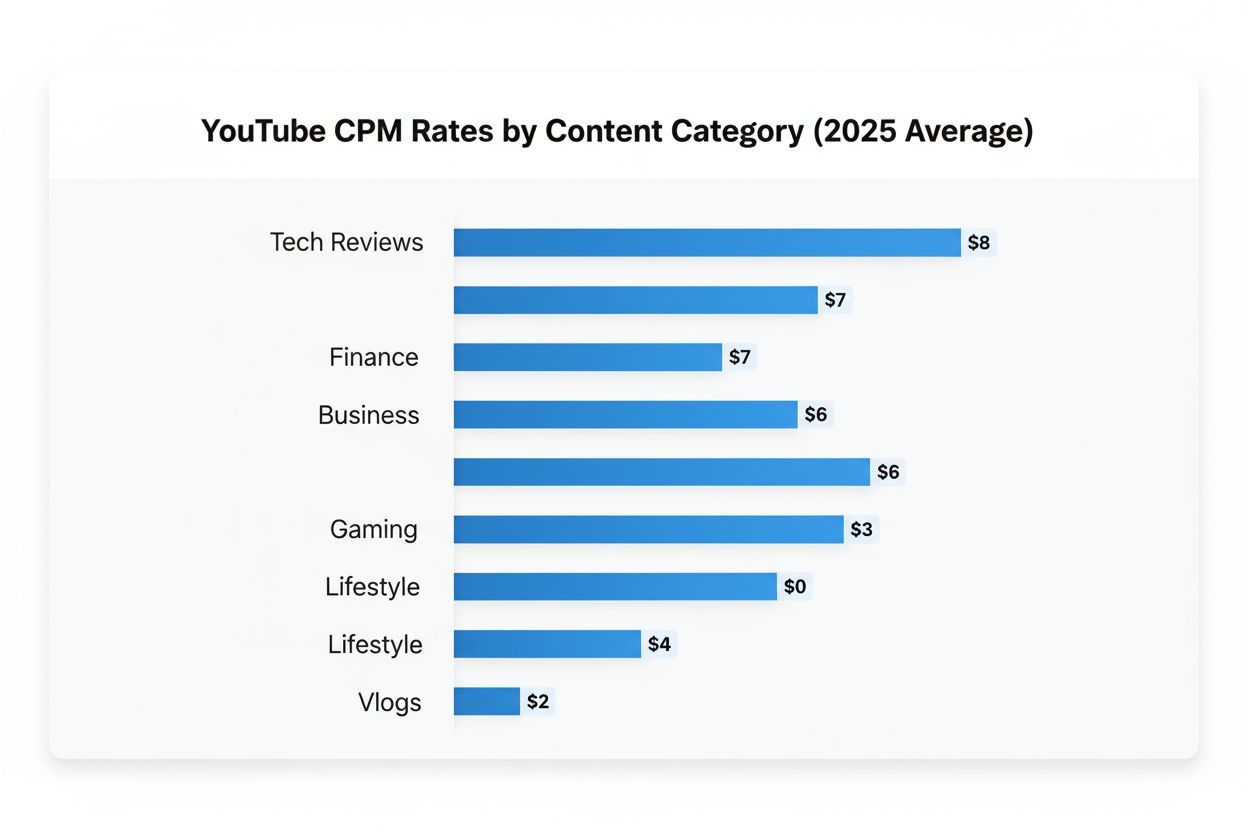
The real issue with ad revenue is volatility. Your CPM (cost per thousand impressions) fluctuates based on seasonality, advertiser demand, and content category. A tech review channel might earn $8 per 1,000 views while a vlog channel earns $2 for the same traffic. You have no control over these rates.
This is why treating ad revenue as your foundation, not your ceiling, changes everything.
Unlocking Early Monetization Features
You do not have to wait until full YPP qualification to start earning.
At 500 subscribers, creators can unlock fan funding features like Super Chat before reaching full ad monetization. This is a critical milestone that most creators ignore because they are fixated on the 1,000-subscriber threshold.
Super Chat and Super Stickers let viewers pay to highlight their messages during live streams and Premieres. Channel Memberships (also available at 500 subscribers) allow fans to pay monthly for exclusive perks like custom badges, emojis, and members-only content.
Here is why this matters: these features convert your most engaged viewers into paying supporters immediately. You do not need massive reach. You need a small group of people who care enough to support your work directly.
A gaming creator with 600 subscribers and consistent live streams can earn $200 to $500 per month from Super Chats alone if they build community engagement. A cooking channel offering members-only recipe PDFs and early video access can add another $100 to $300 monthly at the same subscriber count.
The strategy is simple: focus on depth of engagement, not just breadth of reach. Ten viewers who each pay $5 per month are worth more than 10,000 passive viewers who skip your ads.
Building a Membership and Subscription Model
Memberships turn casual viewers into recurring revenue.
YouTube Channel Memberships are the starting point, but the real money comes from diversifying where those memberships live. Patreon, Ko-fi, and Buy Me a Coffee give you direct relationships with supporters and take smaller platform cuts than YouTube.
The key is offering genuine value at each tier. Bad membership programs offer vague perks like "early access" or "behind-the-scenes content" without defining what that means. Good membership programs give specific, tangible benefits.
Example tier structure for a video essay channel:
- $3/month: Early access to videos (48 hours before public release), members-only community posts
- $7/month: Monthly bonus video on topic voted by members, access to script drafts and research notes
- $15/month: Monthly 30-minute Q&A live stream, your name in video credits
The pricing matters less than the clarity. People pay for things they understand and value.
Some mid-sized creators now make more money in a single two-hour live stream than from an entire month of ads, largely because they have built membership communities that show up and support during live events. A creator with 5,000 subscribers and 200 paying members at an average of $6 per month earns $1,200 monthly in predictable, recurring revenue. That is separate from ads, sponsorships, and everything else.
The psychological shift is important: you are not asking for donations. You are offering a product. Members get more content, more access, and more influence over what you create. That is a fair exchange.
Leveraging Affiliate Marketing and Product Recommendations
Affiliate marketing is where many creators make their real money.
98% of creators earn through affiliate commissions, and it is easy to see why. You recommend products you already use, include affiliate links in your video descriptions, and earn a commission when viewers buy through your link. No inventory, no customer service, no upfront cost.
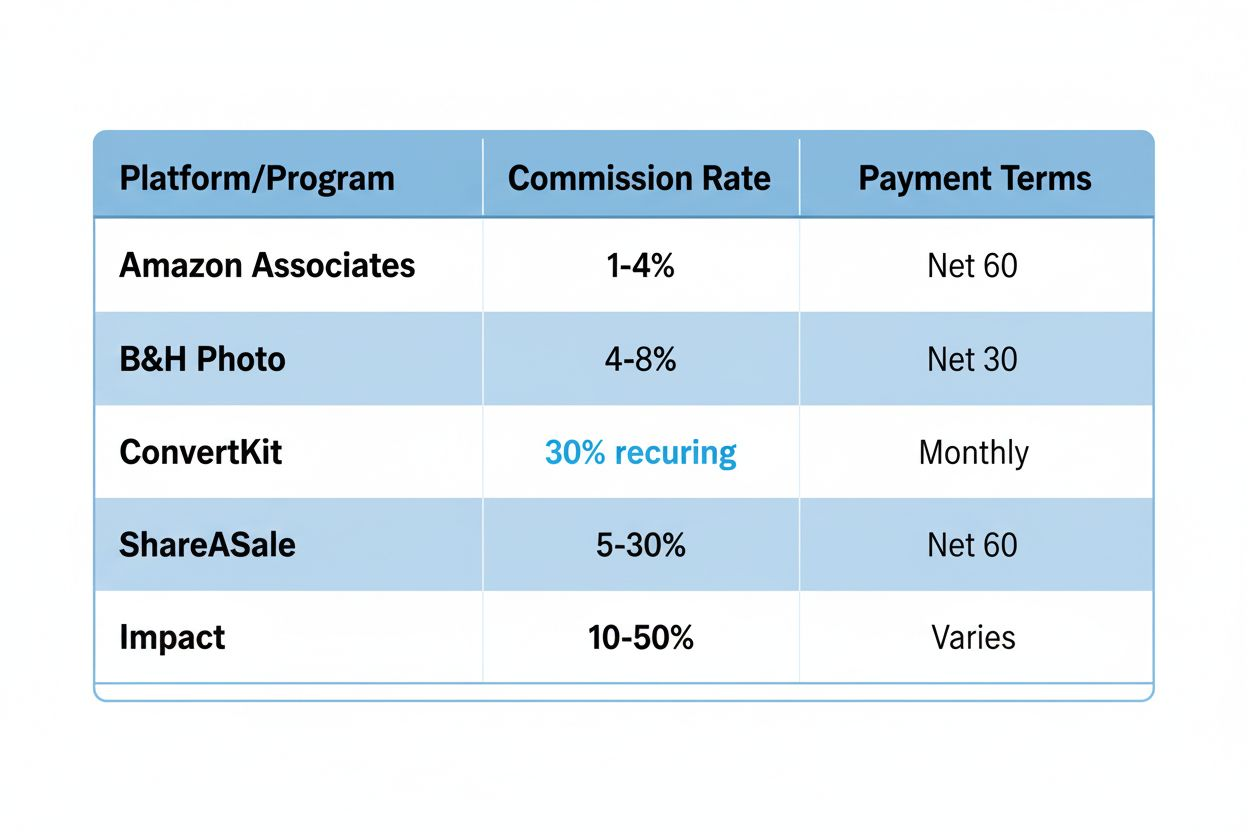
Amazon Associates is the default starting point, but the commissions are low (1% to 4% depending on category). Better options exist for most niches:
- Tech creators: B&H Photo (4% to 8%), Adorama, manufacturer affiliate programs (Apple, Samsung, etc.)
- Fitness creators: Bodybuilding.com (8% to 10%), supplement brands with 15% to 20% commissions
- Business and productivity creators: Software affiliate programs (ConvertKit pays 30% recurring, Kajabi pays up to 30%)
The difference between a $50 commission and a $5 commission on the same recommendation is which affiliate program you choose.
The strategy that works: create dedicated product review and comparison videos, then link those videos in descriptions of related content. A photography channel creates a "Best Cameras Under $1,000" video, then links to that video in every tutorial that mentions camera gear. The review video becomes an evergreen affiliate asset that earns for years.
Disclosure matters. Always tell viewers when you use affiliate links. It is legally required in most countries, and transparency builds trust. A simple "Links in the description are affiliate links, which means I may earn a commission at no extra cost to you" is sufficient.
Securing Brand Deals and Sponsorships
Brand deals are the monetization method that separates hobbyists from professionals.
77% of creators rely on brand deals, and the rates are significantly higher than ad revenue. A creator with 50,000 subscribers can charge $500 to $2,000 for a dedicated sponsorship, depending on niche and engagement rates. A creator with 200,000 subscribers in a high-value niche like finance or SaaS can charge $5,000 to $15,000 per video.
The formula most brands use:
Sponsorship Rate = (Average Views per Video × $0.05 to $0.15) + Niche Multiplier
A video averaging 30,000 views in the tech niche might command $1,500 to $4,500 per sponsorship. The same views in a lower-value niche might bring $750 to $1,500.
Finding sponsors requires outreach. Platforms like Grapevine, AspireIQ, and FameBit connect creators with brands, but direct outreach to companies you already use often works better. Email their marketing team with your channel stats, audience demographics, and a specific pitch for how you would integrate their product.
The pitch structure that works:
- Brief introduction: who you are, what your channel covers
- Audience data: subscribers, average views, demographics (age, location, interests)
- Proposal: specific video concept featuring their product
- Social proof: past sponsorships or notable videos
- Rate and deliverables: what you are offering and what it costs
Example: "I run a productivity channel with 75,000 subscribers averaging 40,000 views per video. My audience is 65% male, ages 25-40, primarily in the US and UK, interested in software and workflow optimization. I would like to create a dedicated video on task management tools featuring [Product]. Deliverables include a 60-second in-video integration, pinned comment with discount code, and Instagram Story promotion. My rate for this package is $3,000."
Negotiate payment terms upfront. Half upfront, half on delivery is standard. Never create sponsored content without a signed agreement specifying deliverables, timeline, usage rights, and payment terms.
Selling Digital Products and Courses
Digital products have the highest profit margins of any monetization method.
A course, ebook, template pack, or preset collection costs nothing to produce additional units once created. You make it once, sell it forever. A creator selling a $50 course to 1% of their audience (500 buyers from a 50,000-subscriber channel) earns $25,000 from a single product.
The types of digital products that work for video creators:
Educational courses: Teach a skill related to your content. A video editing channel sells a course on color grading. A fitness channel sells a 12-week workout program.
Templates and tools: Provide resources viewers can use immediately. A business channel sells Notion templates. A design channel sells Canva templates or Photoshop presets.
Ebooks and guides: Package your knowledge into written form. A travel vlog sells destination guides. A cooking channel sells a recipe ebook.
The platform matters. Gumroad and Stan Store are simple for selling individual products. Teachable and Kajabi work better for full courses with video lessons. Payhip offers a middle ground with low fees and decent features.
Pricing strategy: start higher than feels comfortable. A detailed course representing 20+ hours of your expertise is worth $200 to $500, not $29. You can always run sales. You cannot easily raise prices after launching low.
Promotion happens in your videos. Create content that demonstrates your expertise, then offer the product as the next step for viewers who want to go deeper. A video on "5 Color Grading Techniques" naturally leads to a course on advanced color grading. The video provides value on its own. The course provides transformation.
Exploring Live Stream Revenue Opportunities
Live streaming is an underutilized revenue multiplier.
Some mid-sized creators now make more money in a single two-hour live stream than from an entire month of ads. This happens through a combination of Super Chats, memberships promoted during the stream, and affiliate links shared in real time.
The revenue sources during a live stream:
- Super Chats and Super Stickers from viewers
- New channel memberships (YouTube promotes membership during streams)
- Affiliate links for products mentioned or used on stream
- Direct donations via Streamlabs or PayPal
- Sponsorships (brands pay for product placement during live events)
A gaming creator with 10,000 subscribers hosting a weekly live stream can earn $100 to $500 per stream from Super Chats alone. A tech creator doing a live Q&A while demonstrating products earns from Super Chats plus affiliate commissions when viewers buy the featured gear.
The strategy: schedule consistent live streams (weekly or biweekly), promote them in advance through Community posts and video end screens, and create interactive formats that encourage participation. Q&A sessions, live tutorials, watch parties, and collaborative challenges all drive engagement higher than passive streaming.
Consistency matters more than frequency. One high-quality stream per week builds a habit with your audience. Random, sporadic streams do not.
Integrating E-Commerce and Merchandise
Physical products extend your brand into the real world.
YouTube has already partnered with Shopify and other e-commerce platforms for integrated shopping, making it easier than ever to sell directly through your channel. The "Shopping" tab on your channel page lets viewers browse and buy without leaving YouTube.
Merchandise options for creators:
Print-on-demand: Services like Printful, Printify, and Spring handle production and shipping. You upload designs, set prices, and earn the difference. No inventory risk, but lower profit margins (typically $5 to $15 per item).
Custom products: Work with manufacturers to create unique items related to your niche. A photography channel sells camera straps. A cooking channel sells custom aprons or spice blends. Higher upfront cost, but margins of 50% to 70% are possible.
Digital-physical bundles: Combine digital products with physical items. A fitness creator sells a workout program (digital) bundled with resistance bands (physical).
The key to merchandise success is relevance. Generic logo t-shirts rarely sell unless you have a massive, devoted fanbase. Products that solve a problem or serve a specific use case for your audience perform better. A woodworking channel selling custom-designed push sticks or measuring tools will outsell generic branded hoodies.
Pricing: calculate your costs (production, shipping, platform fees, payment processing), then add your desired profit margin. A $25 t-shirt might cost you $12 to produce and ship, leaving $13 before fees. After a 10% platform fee and 3% payment processing, you net about $10 per sale. Sell 50 per month and that is $500 in additional revenue.
Promotion happens through integration, not hard selling. Wear your merchandise in videos. Use your products on camera. Mention them naturally when relevant. A cooking creator using their custom apron in every video will sell more aprons than a creator who only mentions them in dedicated promo videos.
Diversifying Across Multiple Platforms
YouTube should not be your only distribution channel.
Repurposing your video content for TikTok, Instagram Reels, and YouTube Shorts expands your reach and opens new monetization paths. Each platform has its own creator funds, brand deal opportunities, and audience demographics.
The repurposing workflow:
- Create your main long-form video for YouTube
- Extract 30 to 60-second clips highlighting key points or entertaining moments
- Reformat for vertical video (9:16 aspect ratio)
- Post to TikTok, Instagram Reels, and YouTube Shorts
- Use each short-form video to drive traffic back to your main channel
TikTok's Creator Fund pays less than YouTube ads (roughly $0.02 to $0.04 per 1,000 views), but the platform's algorithm can push videos to millions of viewers quickly. A single viral TikTok can bring thousands of new subscribers to your YouTube channel, where you monetize them through all the methods covered above.
Instagram offers brand deal opportunities that sometimes pay better than YouTube sponsorships because of the platform's shopping integration and influencer marketing ecosystem. A creator with 30,000 Instagram followers might charge $300 to $800 for a sponsored Reel, separate from their YouTube rates.
The strategy is not to spread yourself thin. It is to maximize the value of content you are already creating. Spending an extra hour per week repurposing your YouTube videos into short-form content can double your total reach and open revenue streams that do not exist on YouTube alone.
Building Long-Term Sustainability Through Diversification
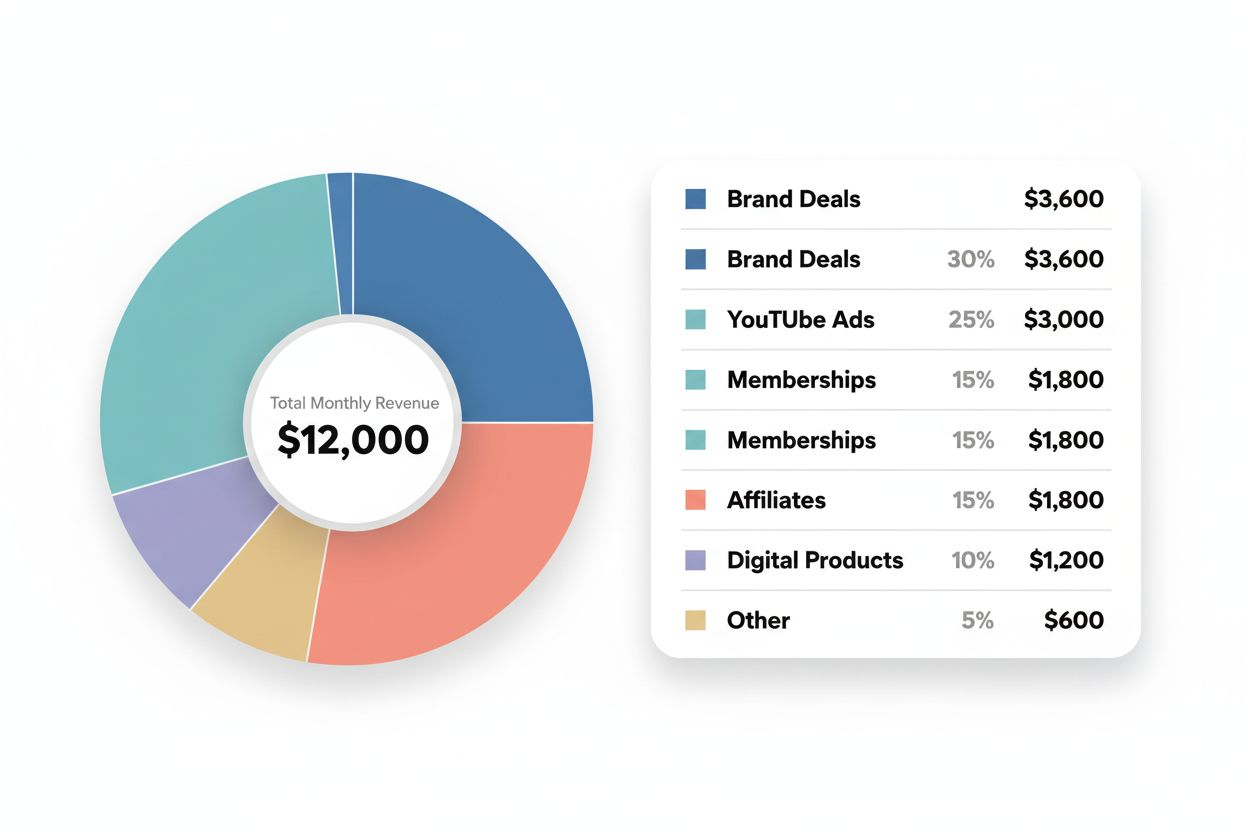
The creators earning over $100,000 annually (only 7% according to Spiralytics) are not doing it through one revenue stream. They are stacking multiple income sources that support each other.
A sustainable creator business model in 2025 looks like this:
- Foundation: YouTube ad revenue provides baseline income ($2,000 to $5,000/month)
- Recurring revenue: Channel memberships and Patreon add predictable monthly income ($1,000 to $3,000/month)
- Active income: Brand deals and sponsorships provide larger irregular payments ($3,000 to $10,000 per deal, 2-4 deals per month)
- Passive income: Affiliate commissions and digital product sales generate ongoing revenue ($1,500 to $4,000/month)
- Supplemental income: Merchandise, live streams, and platform diversification add smaller but meaningful amounts ($500 to $2,000/month)
Total monthly range: $8,000 to $24,000 from a channel with 50,000 to 150,000 subscribers and strong engagement.
The diversification protects you. If YouTube changes its algorithm and your views drop 30%, you lose 30% of your ad revenue but keep most of your membership income, your affiliate commissions, your product sales, and your brand deals. If a sponsor backs out, you still have four other income streams.
The path forward is not to implement everything at once. It is to add one new revenue stream every quarter:
- Quarter 1: Optimize YouTube ad revenue and apply for early monetization features
- Quarter 2: Launch a membership program with clear tiers and benefits
- Quarter 3: Set up affiliate partnerships and create dedicated product content
- Quarter 4: Pitch your first brand deals and create a digital product
By the end of the year, you have five revenue streams instead of one. Your income is more stable, more predictable, and more resistant to platform changes.
Taking Your Next Steps
The creator economy is projected to hit $480 billion by 2027, but most creators will not see that growth because they are stuck in the ad revenue trap. The ones who build sustainable businesses are the ones who treat content creation like a business with multiple revenue streams, not a hobby that might pay someday.
Start with where you are now. If you are under 500 subscribers, focus on growth and community building. If you are between 500 and 1,000 subscribers, activate fan funding features and start testing membership perks. If you are over 1,000 subscribers with ad revenue enabled, add one new monetization method this month.
The goal is not to maximize revenue immediately. The goal is to build a foundation that grows with your channel and protects you when any single platform or revenue source changes.
Your content is valuable. Make sure you are capturing that value in more ways than one.