Video Influencer Marketing in 2025: The Numbers That Define Success

If you create video content, you are sitting on a business opportunity that brands are pouring billions into. But walking into a brand deal without knowing what the market actually looks like is like showing up to a negotiation blindfolded.
The video influencer space has matured. Brands now have data on what works, what they will pay, and which creators deliver results. You need the same information. This article breaks down the numbers that matter: how much money is flowing into influencer marketing, what engagement rates separate successful creators from the rest, and where brands are actually spending their budgets in 2025.
Whether you are pitching your first sponsorship or renegotiating existing deals, these benchmarks give you the context to position yourself competitively.
The Market Size: Billions in Brand Spend
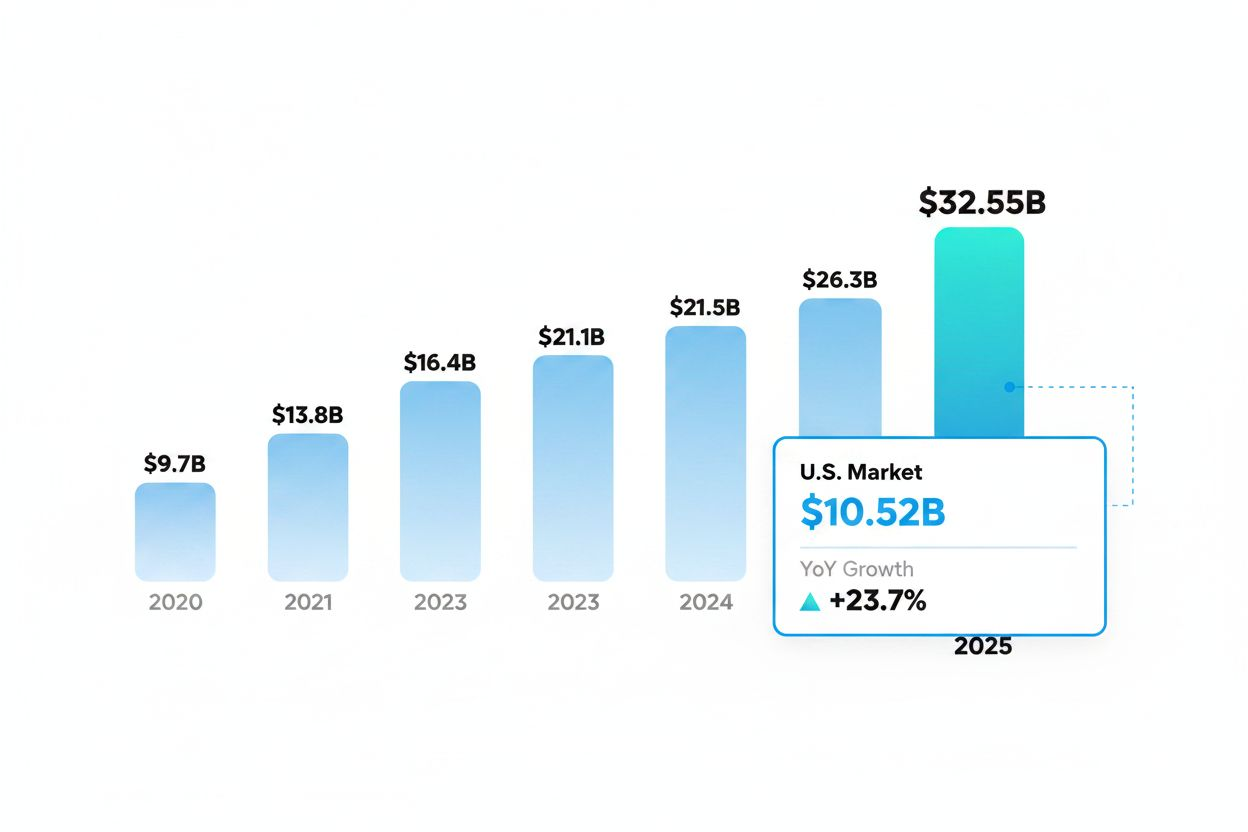
According to PR Newswire, global influencer marketing spend surged to $32.55 billion in 2025. That is not a projection. That is actual spend.
The U.S. alone accounts for a significant chunk of this. Socially Powerful reports that U.S. brands are expected to spend around $10.52 billion in 2025, representing a 23.7% year-on-year increase. Brands are not pulling back. They are doubling down.
What does this mean for you? The money is there. The question is whether you know how to position yourself to get a piece of it.
Brand Budgets Are Growing, Not Shrinking
One of the most important signals for creators: brands are not treating influencer marketing as a temporary experiment. According to PR Newswire, 80% of brands either maintained or increased their influencer marketing budgets in 2025. Even more telling, 47% raised budgets by 11% or more.
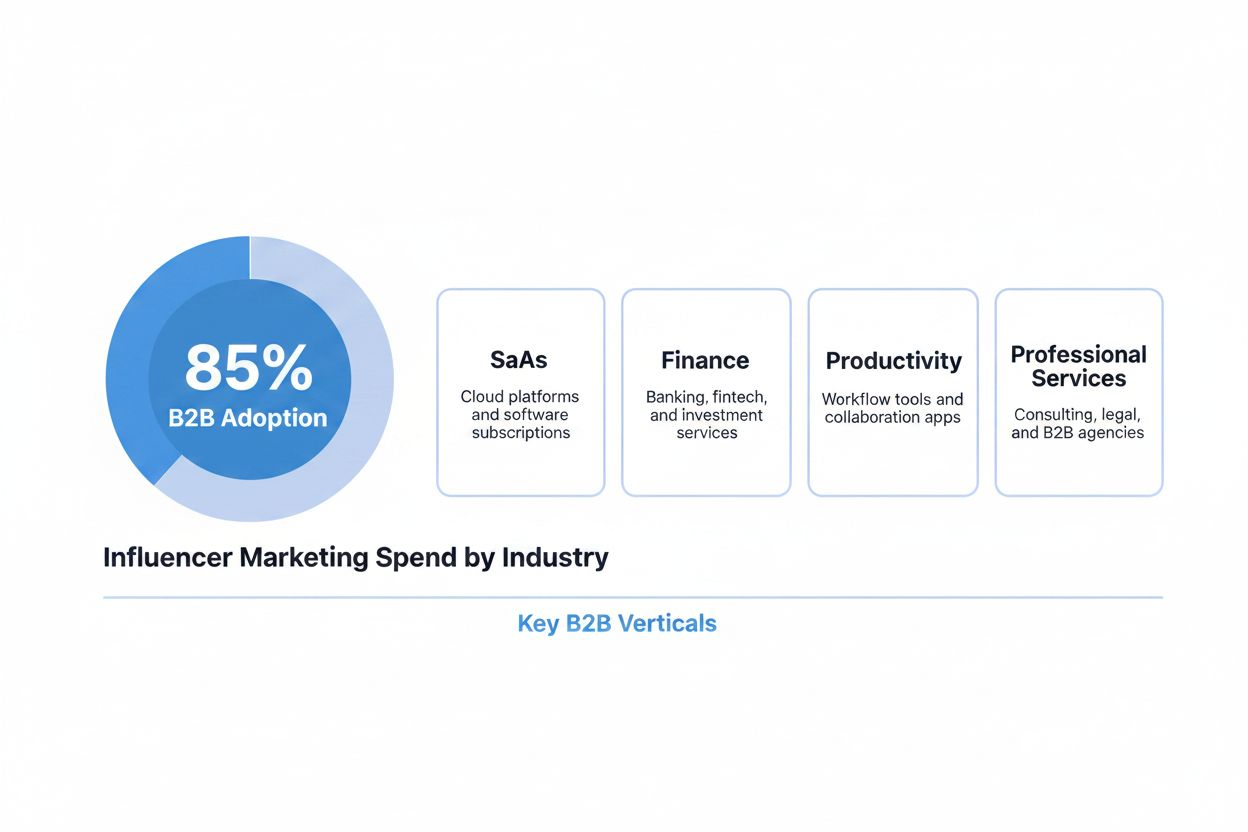
This is not just about big consumer brands. Socially Powerful notes that about 85% of B2B marketers used influencer programs in 2024. If you create content around business software, finance, productivity, or professional development, B2B brands are actively looking for creators like you.
The takeaway: if you have been hesitant to pitch brands because you think budgets are tight, you are operating on outdated assumptions. Brands are allocating more money to influencer partnerships, and they are looking for creators who understand how to deliver results.
ROI: What Brands Actually Get Back
Brands do not spend billions on influencer marketing because it feels good. They do it because it works.
Zebracat reports that the average ROI for every $1 spent on influencer marketing is $5.70. That is a 470% return. Compare that to traditional advertising channels, where ROI is often measured in single-digit percentages, and you can see why brands keep increasing their budgets.
But ROI is not just about direct sales. According to Zebracat, 72% of marketers say influencer campaigns deliver higher engagement rates than traditional digital ads. Brands are paying for attention, trust, and the ability to reach audiences who have tuned out banner ads and pre-roll spots.
When you pitch a brand, you are not just selling views. You are selling engagement, credibility, and a direct line to an audience that actually cares what you have to say.
Engagement Rates: The Metric That Matters Most
Views are vanity. Engagement is currency.
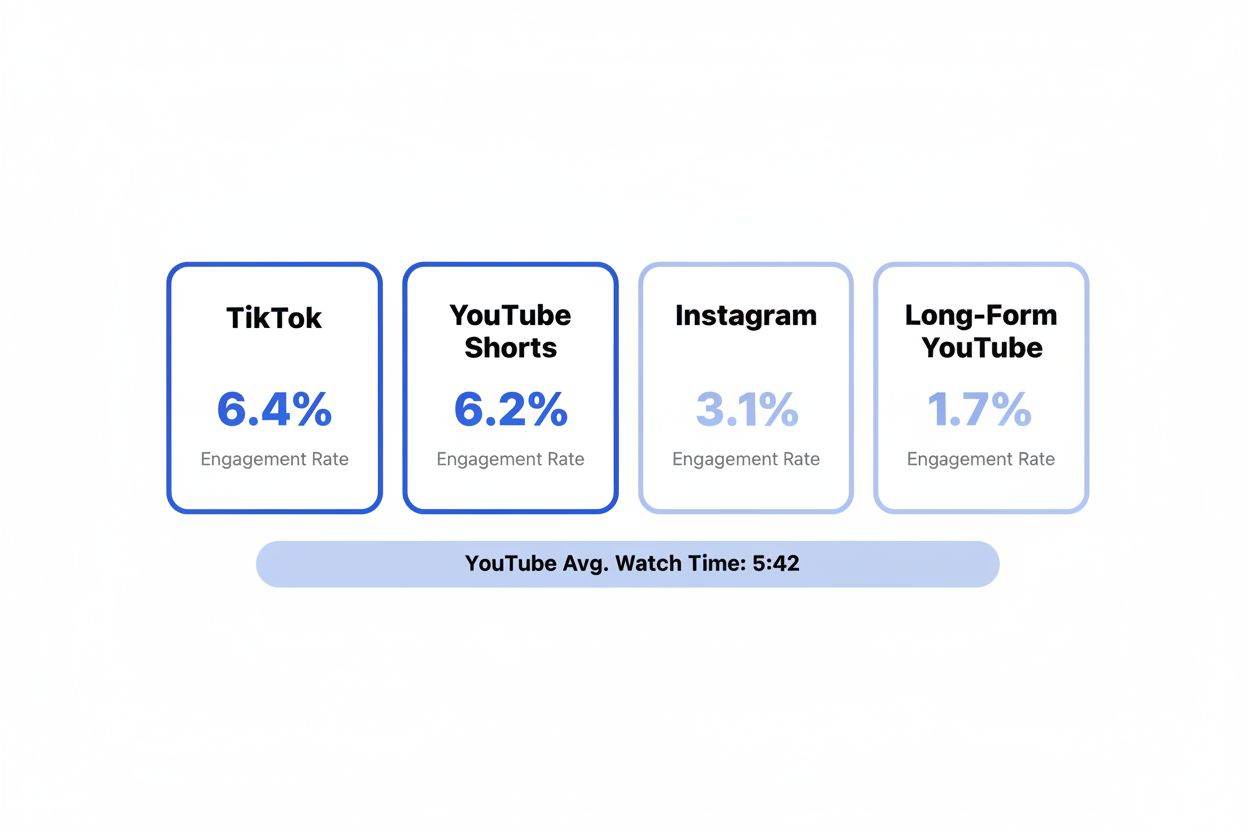
Zebracat provides platform-specific engagement benchmarks. TikTok influencer campaigns generate an average engagement rate of 6.4%, compared to 3.1% on Instagram. If you are creating short-form video, TikTok is where the engagement lives.
But YouTube has its own advantages. Socially Powerful found that YouTube Shorts achieve approximately 6.2% engagement, while long-form YouTube videos sit at 1.7%. That gap is significant. Shorts are pulling engagement rates comparable to TikTok, while long-form content offers depth and watch time.
Speaking of watch time, Zebracat reports that YouTube influencer videos have an average watch time of 5 minutes and 42 seconds per viewer. That is not a quick scroll. That is sustained attention. If you can hold a viewer for nearly six minutes, you have something brands will pay for.
The Shift Toward Micro and Mid-Tier Creators
If you do not have a million subscribers, do not assume brands are not interested. The data shows the opposite.
According to PR Newswire, 73% of brands prefer to work with micro and mid-tier creators for the strongest engagement-to-cost ratio. Brands have learned that bigger is not always better. A creator with 50,000 engaged subscribers often delivers better results than a celebrity with 5 million disengaged followers.
Nano creators (typically under 10,000 followers) are also in demand. PR Newswire notes that nano creators command a median CPM of $211, driven by engagement rates between 6.15% and 6.76%. That CPM is higher than many mid-tier creators because nano influencers have tight-knit, highly engaged communities.
What this means: if you are a smaller creator, you have leverage. Brands are actively seeking creators at your level. Your pitch should emphasize engagement rate, audience demographics, and the quality of your community, not just your subscriber count.
What Audiences Actually Trust
The reason brands pay creators is simple: audiences trust you more than they trust ads.
Socially Powerful found that more than half of Gen Z and Millennials say they would consider buying a product recommended by an influencer. That is not a small edge. That is a fundamental shift in how younger audiences make purchasing decisions.
Traditional advertising interrupts. Influencer content integrates. When you recommend a product, your audience does not see it as an ad. They see it as advice from someone whose judgment they trust.
This is why brands are willing to pay premium rates for authentic integrations. They are not just buying ad space. They are buying your credibility.
How to Use These Numbers in Your Pitches
Data is only useful if you apply it. Here is how to use these benchmarks when negotiating with brands.
First, know your engagement rate. Calculate it across your last 10-20 videos. If you are hitting 6% or higher on short-form content, you are in the top tier. Lead with that number in your pitch deck.
Second, frame your value in terms of ROI. Brands know they are getting $5.70 back for every dollar spent on influencer marketing. Your job is to show them why you will deliver that return or better. Use case studies from past partnerships if you have them. If you do not, use engagement metrics and audience demographics to make the case.
Third, understand your CPM. If you are a nano or micro creator, your CPM should be in the $200-$300 range based on industry benchmarks. Do not undervalue yourself because you have a smaller audience. Brands are paying for engagement, not just reach.
Fourth, emphasize platform-specific strengths. If you are on YouTube, highlight watch time. If you are on TikTok or creating Shorts, emphasize engagement rate. Different platforms offer different value, and brands know this.
Finally, position yourself within the market shift toward smaller creators. Use the stat that 73% of brands prefer micro and mid-tier creators. This is not a liability. This is your competitive advantage.
The B2B Opportunity for Video Creators
Most creators think of influencer marketing as a B2C game: beauty products, fashion, tech gadgets. But B2B is a massive, underserved market.
Socially Powerful reports that 85% of B2B marketers used influencer programs in 2024. If you create content around business tools, productivity, software, finance, or professional development, you are sitting on an opportunity most creators are ignoring.
B2B brands have budgets. They have longer sales cycles, which means they value sustained partnerships over one-off posts. And they are often willing to pay more because the lifetime value of a B2B customer is higher than a consumer product.
If you have been creating content in a B2B niche and wondering if brands will pay you, the answer is yes. You just need to pitch them.
Short-Form vs. Long-Form: What the Data Says
The rise of YouTube Shorts, TikTok, and Instagram Reels has created a debate: should you focus on short-form or long-form content?
The data suggests both have value, but for different reasons.
Socially Powerful found that YouTube Shorts achieve 6.2% engagement compared to 1.7% for long-form YouTube videos. If your goal is maximum engagement per view, short-form wins.
But long-form has advantages short-form cannot match. Zebracat reports that YouTube influencer videos have an average watch time of 5 minutes and 42 seconds. That level of sustained attention is valuable for brands selling complex products or services that require explanation.
The smart play: do both. Use short-form to build audience and drive engagement. Use long-form to deepen relationships and provide the kind of value that turns viewers into loyal fans. Brands will pay for both, but they will pay more for creators who can deliver results across formats.
What Brands Are Looking for in 2025
Knowing the numbers is half the battle. Understanding what brands actually want is the other half.
Brands in 2025 are looking for creators who can demonstrate measurable impact. That means tracking not just views and likes, but clicks, conversions, and audience sentiment. If you can show a brand that your audience takes action based on your recommendations, you become indispensable.
They are also looking for authenticity. The era of scripted, overly polished influencer content is over. Audiences can smell inauthenticity from a mile away, and brands know it. Your rough edges, your personality, your unique perspective—that is what makes you valuable.
Finally, brands want partnerships, not transactions. They are moving away from one-off posts and toward long-term relationships with creators who understand their product and can integrate it naturally over time. If you can position yourself as a strategic partner rather than just a media placement, you will command higher rates and more consistent work.
Where the Market Is Headed
The $32.55 billion global spend in 2025 is not the ceiling. It is a milestone.
Brands are shifting more budget away from traditional advertising and into influencer partnerships because the ROI is better and the audience trust is higher. As platforms continue to prioritize video content and as younger audiences continue to tune out traditional ads, the value of video influencers will only increase.
The creators who will win in this market are the ones who treat this like a business. That means knowing your metrics, understanding your value, and pitching brands with confidence backed by data.
You do not need a million subscribers. You need engagement, authenticity, and the ability to articulate why a brand should work with you. The money is there. The demand is there. The question is whether you are ready to step up and claim your share.