Maximizing Sponsorship Appeal: Video Content Strategies

Why Sponsors Care About Your Video Content
Brands do not sponsor channels, shows, or creators out of goodwill. They sponsor audiences. The question every potential sponsor asks, whether they say it out loud or not, is: "Will this content put our name in front of people who will actually buy from us?"
Your video content is the answer to that question before you ever send a pitch deck. The way you produce, structure, and present your videos signals to sponsors whether you are worth their budget. Get that signal right, and the conversation shifts from "maybe" to "how much?" Get it wrong, and even a large audience will not save you.
This guide covers the specific video content strategies that make creators and media properties more attractive to sponsors, from production choices that signal professionalism to content formats that give brands natural, valuable placement.
The Production Floor Sponsors Expect
There is a baseline of production quality below which most serious sponsors will not go. It has nothing to do with camera cost. It has everything to do with whether your content looks like something a brand would want their name attached to.
Audio Comes First
Sponsors know something that many creators learn too late: research into audio quality and viewer retention confirms that poor sound affects how much viewers remember and how they perceive the content overall. A shaky handheld shot is forgivable. A video where the host sounds like they are recording inside a tin can is not.
Good audio means a dedicated microphone, not the one built into your camera or phone. It means recording in a space without significant echo or background noise. It means consistent levels so viewers are not constantly adjusting their volume. These are not expensive problems to solve, but they require deliberate attention.
When a brand evaluates your content, poor audio reads as a lack of care. If you do not care enough to fix a solvable problem, why would they trust you with their marketing budget?
Lighting and Framing
Natural light works well when used correctly, but it is inconsistent. A basic two-light setup gives you control over how your face looks on camera regardless of the time of day or weather. Sponsors notice when a creator looks polished and consistent across episodes versus when the lighting shifts dramatically from video to video.
Framing matters too. The standard advice to put your eyes roughly one-third from the top of the frame exists because it works. It looks intentional. A camera pointed at your chin or a shot where you are barely visible in the corner of a cluttered room communicates the opposite of professional.
Editing That Respects the Viewer's Time
Tight editing is one of the strongest signals of content quality. Cutting dead air, removing filler words, and keeping the pacing moving shows that you value your audience's attention. Sponsors want to be associated with content that holds viewers, not content that loses them three minutes in.
This does not mean every video needs to be fast-cut and hyperactive. Long-form content can be slow and deliberate. But slow and deliberate is different from unedited and rambling.
Content Formats That Create Natural Sponsorship Opportunities
Some video formats are structurally better for sponsorships than others. This is not about selling out. It is about building content where a sponsor mention fits naturally rather than interrupting the viewer experience.
Tutorial and How-To Content
Tutorial videos are among the most sponsor-friendly formats available. The reason is simple: viewers come to them with a specific problem they want solved. They are in a receptive, action-oriented mindset. When a sponsor's product genuinely relates to the problem being solved, the mention does not feel like an ad. It feels like a recommendation.
A video on home recording setup that mentions an audio interface sponsor is not jarring. A cooking channel that mentions a knife brand during a technique tutorial is not jarring. The content and the sponsor occupy the same space in the viewer's mind.
The key is relevance. Tutorial content works for sponsors when the product category connects to the subject matter. If it does not, the mention will feel forced regardless of how skillfully you deliver it.
Review and Comparison Content
Review videos attract viewers who are already in a buying mindset. They are researching a purchase. They want information that helps them decide. A Google-commissioned BCG study found that digital video influence on purchase decisions is substantial: 45% of respondents who said digital video played a role in their path to purchase reported it helped them choose which product or brand to buy.
Comparison content goes further. A video comparing five options in a category draws viewers who are actively shopping, not just browsing. Sponsors who appear in this context get exposure at the highest-intent moment in the buyer's journey.
The credibility risk here is real. Review content only works for sponsorships if your audience trusts your opinions. If you have a track record of honest, critical reviews, a sponsored mention carries weight. If your reviews are uniformly positive regardless of product quality, your audience will discount everything you say, including the sponsor mention.
Long-Form Interviews and Conversations
Interview-format content creates long watch times, which matters to sponsors because it gives their placement more exposure per viewer. A thirty-second mid-roll ad in a ninety-minute interview reaches viewers who have already demonstrated they are engaged and committed to the content.
Long-form conversations also tend to attract more educated, higher-income audiences, which is attractive to a wide range of sponsors. The format signals depth and seriousness, which appeals to brands that want to be associated with thoughtful content rather than quick entertainment.
Building an Audience Profile Sponsors Can Use
A large audience with no clear identity is harder to sell to sponsors than a smaller audience with a precise profile. Sponsors do not just buy reach. They buy access to specific people.
Niche Depth Over Broad Appeal
A channel about personal finance for people in their thirties who are paying off debt while building savings has a more sellable audience than a general personal finance channel, even if the general channel has more subscribers. The niche channel can tell sponsors exactly who watches, what problems they have, and what products they are likely to buy.
This is counterintuitive for creators who think broader content means more potential sponsors. The opposite is usually true. Narrow content attracts sponsors who cannot easily reach that specific audience anywhere else, which gives you negotiating leverage.
Consistency Builds Demographic Clarity
Sponsors look at your audience demographics, but they also look at how stable those demographics are over time. A channel where the audience profile shifts significantly from month to month is harder to plan around. Consistent content attracts a consistent audience, which gives sponsors confidence that the viewers they are paying to reach will still be there when the campaign runs.
Engagement Rate as a Trust Signal
Raw subscriber or follower counts have become less meaningful to sophisticated sponsors. Engagement rate, the percentage of your audience that actively comments, shares, or responds to your content, tells a more honest story about whether your audience actually pays attention.
A channel with a highly engaged audience of modest size will often outperform a larger channel with passive viewers. Sponsors who understand this will choose engagement over scale. Position yourself for those sponsors by actively building community around your content: ask specific questions, respond to comments, create content that invites participation rather than passive consumption.
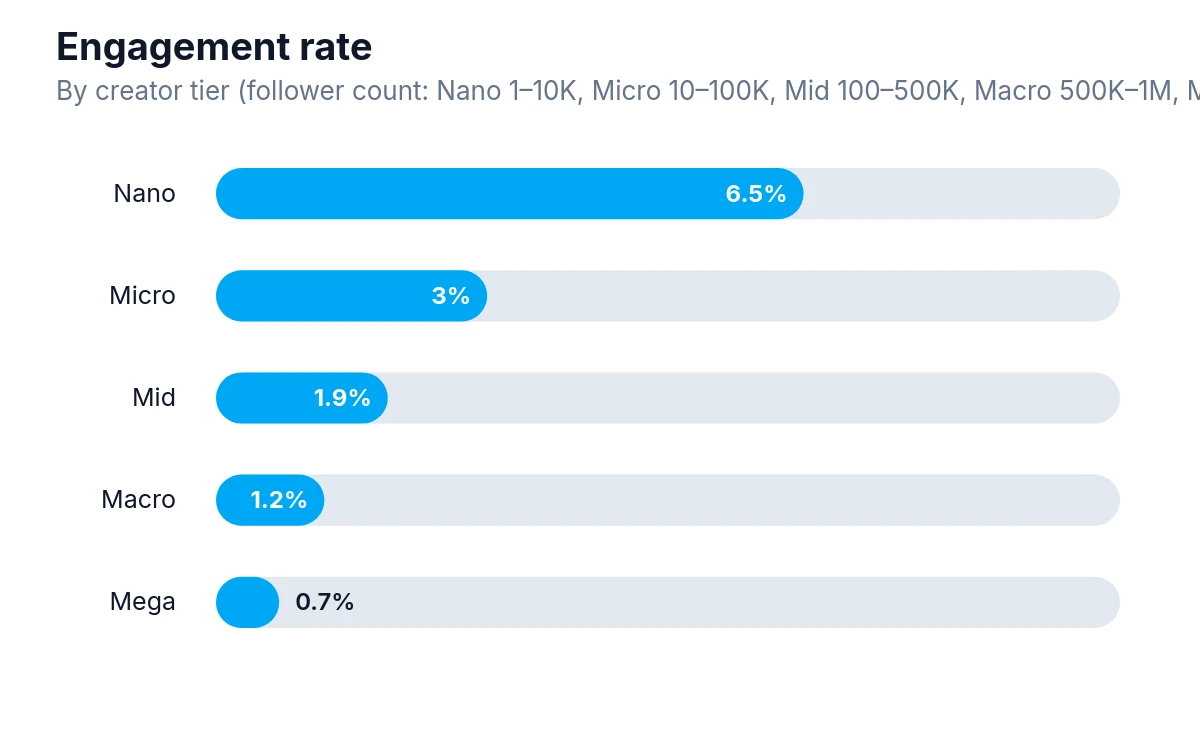
Engagement rates drop as creator size increases, from 6.5% for Nano creators to 0.7% for Mega creators.
How You Deliver Sponsor Mentions Changes Everything
The mechanics of how you integrate a sponsor into your video content directly affects both viewer retention and sponsor satisfaction. A clumsy ad read can damage both.
The Host-Read Ad
A host-read ad, where you personally deliver the sponsor message in your own voice and style, consistently outperforms pre-produced ad spots in terms of viewer retention and conversion. Host-read podcast ad unaided recall runs 10 points higher than for pre-produced and announcer-read ads. Viewers who trust you extend some of that trust to what you recommend. A scripted corporate ad read in a robotic voice does not benefit from that trust transfer.
The best host-read ads share three qualities. They are brief and specific. They connect the product to something relevant in the video. And they sound like the host actually uses or understands the product, not like someone reading from a card for the first time.
Personalizing the message helps. If you can honestly say you use the product, say so. If you can share a specific feature that matters to your audience, lead with that. Generic benefit statements ("this company makes great products!") do not move anyone.
Placement Within the Video
Pre-roll ads, placed at the very beginning of a video, reach the most viewers but get skipped most often. Mid-roll ad completion rates average 90%, compared to 78% for pre-roll and 65% for post-roll, according to Ooyala. Post-roll ads reach only the most engaged viewers but convert well because those viewers are already deeply interested in the content.
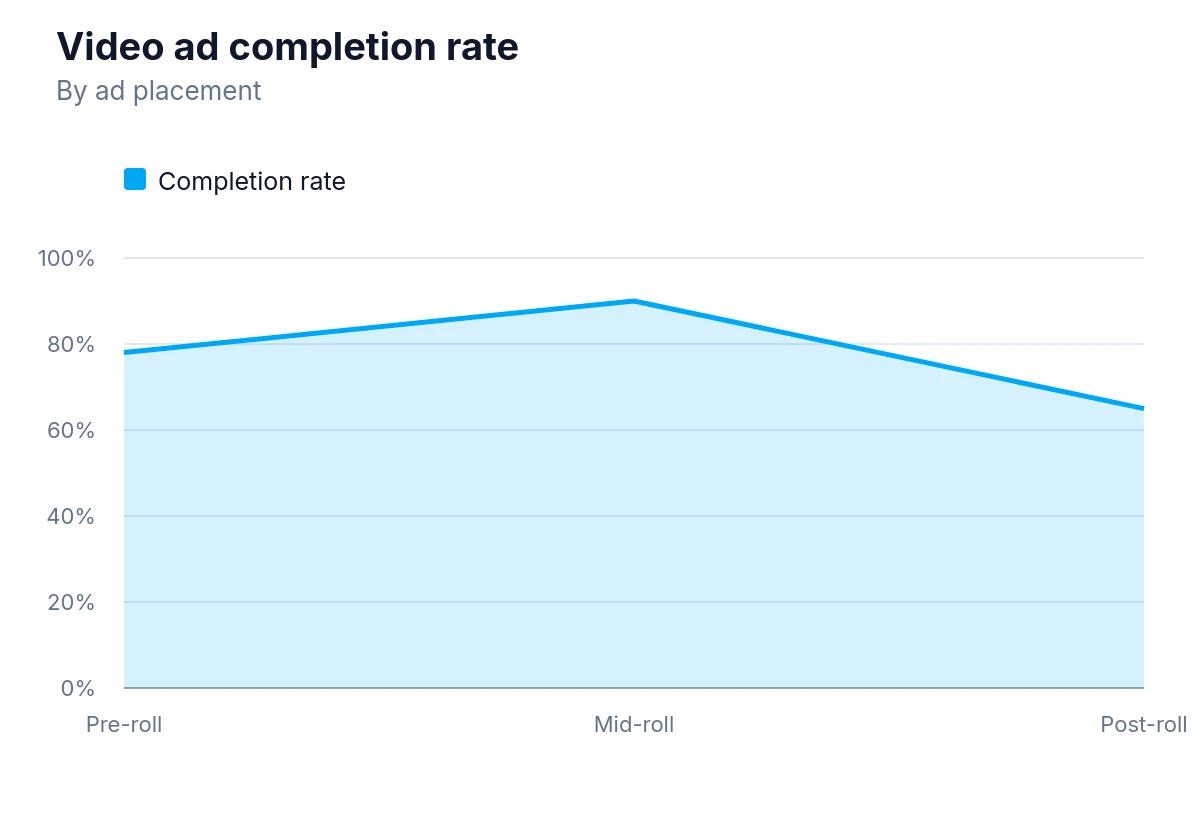
Mid-roll placements have the highest completion rate at 90 percent, higher than both pre-roll and post-roll placements.
For most sponsorship arrangements, a mid-roll placement between the two-thirds and three-quarters mark of a video tends to perform well. Viewers are engaged but have not yet reached the end, so they are less likely to skip or close the video.
Transparency Without Apology
Disclosing that content is sponsored is both a legal requirement in most markets and, when handled well, a trust-building move. Creators who disclose sponsorships clearly and confidently tend to maintain more audience trust than those who bury disclosures or seem embarrassed by them.
The framing matters. "This video is sponsored by X, and I want to tell you why I said yes to this one" is more effective than a mumbled legal disclaimer at the start of the video. It signals that you have standards, that you turn down sponsors who do not fit, and that this one made the cut.
Packaging Your Content for Sponsor Conversations
Even excellent content needs to be presented clearly when you approach sponsors. The way you describe your video strategy tells brands whether you understand your own value.
Know Your Numbers and What They Mean
Before any sponsor conversation, know your average view count, your average watch time, your audience demographics, and your engagement rate. More importantly, know what those numbers mean for a sponsor. Average watch time of twelve minutes means a mid-roll ad gets seen by viewers who have already committed significant time to your content. A comment rate above a certain threshold means your audience actively participates rather than passively scrolling.
Translate your metrics into sponsor value, not just raw data.
Describe Your Audience in Human Terms
Demographic data (age range, gender split, geographic distribution) is useful but not sufficient. Sponsors also want to know what your audience cares about, what problems they are trying to solve, and what stage of life or career they are in. This qualitative picture helps brands decide whether your viewers are their customers.
A media kit that describes your audience as "25-34 year olds interested in technology" is less useful than one that says "working professionals who are actively evaluating software tools for their teams and have purchasing influence at their companies."
Show Sponsor History Honestly
If you have worked with sponsors before, show the results. If a previous sponsor saw strong click-through rates or conversions from your content, share that. Promo and discount code attribution methods are the most widely adopted way to track those conversions, used by 45.9% of creators, ahead of affiliate links (26.0%) and native shop features (25.0%). If you are new to sponsorships, be honest about it and focus on what your audience profile offers instead.
Sponsors are more forgiving of inexperience than they are of inflated claims. A creator who says "I have not done many sponsorships, but here is exactly who my audience is and why they are relevant to you" is more credible than one who oversells a thin track record.
Building Long-Term Sponsor Relationships
One-off sponsorship deals are less valuable than ongoing relationships. A brand that returns for multiple campaigns has validated that your content works for them. That track record makes future deals easier to close and gives you more leverage on pricing.
Deliver More Than You Promised
The fastest way to turn a single deal into a long-term relationship is to over-deliver on the first one. This might mean including an extra mention, creating a piece of bonus content, or sharing performance data proactively rather than waiting to be asked. Small gestures that show you take the partnership seriously create goodwill that outlasts any single campaign.
Communicate During the Campaign
Sponsors appreciate knowing how their placement is performing while the campaign is still running, not just at the end. If you can share view counts, click data, or audience responses partway through, do it. It shows you are invested in their success, not just in cashing the check.
Be Selective to Stay Credible
The most sponsor-friendly thing you can do for your long-term career is to turn down sponsors who do not fit your content or audience. Every mismatched sponsorship erodes the trust that makes your recommendations valuable. That trust is the asset sponsors are actually paying for. Protect it by being selective, and make sure the sponsors you do work with know that you are selective. It makes your endorsement worth more.
What Actually Moves Sponsors to Say Yes
Sponsors say yes when they believe your audience will take action. Everything in your video content strategy, from production quality to format choice to how you deliver ad reads, either builds or undermines that belief.
The creators who consistently attract strong sponsors are not always the ones with the biggest audiences. They are the ones who have built clear, engaged communities around specific interests, who produce content with obvious care and consistency, and who treat sponsorships as a genuine service to their audience rather than a tax on their viewers' attention.
Build your content strategy around serving your audience well, and the sponsorship appeal follows. Brands are looking for creators whose audiences trust them. Trust is built one video at a time.