How Beauty YouTubers Can Secure Makeup Sponsorships
The Gap Between Great Content and Brand Deals
Most beauty YouTubers who struggle to land makeup sponsorships are not struggling because their content is bad. They are struggling because they are waiting. Waiting for brands to find them, waiting until they hit some subscriber milestone, waiting for the right moment to reach out.
The reality is that makeup brands, from indie founders mixing products in their kitchens to global cosmetics companies with eight-figure marketing budgets, are actively looking for creators to work with. The gap is not talent. It is positioning, process, and knowing how the business side of this industry actually works.
This guide covers how to build the kind of channel that attracts brand interest, how to reach out effectively, and how to turn a first deal into a long-term relationship.
What Makeup Brands Actually Look For
Before sending a single pitch email, it helps to understand what a brand's marketing team sees when they evaluate a creator.
Engagement Over Subscriber Count
There is a persistent myth that you need a large subscriber count to attract sponsorships. Brands with experience in influencer marketing have largely moved past this. A channel with 8,000 subscribers where every video gets 600 comments and strong watch time is more valuable to many brands than a channel with 80,000 subscribers where videos get 200 views each.
Engagement rate (the ratio of likes, comments, and shares to total views or subscribers) is one of the first numbers a brand's partnership team will check, though influencer vetting metrics like follower counts and average engagement rates still drive many shortlisting decisions. A beauty channel with a genuinely active audience of niche makeup enthusiasts can command real deals. Micro-influencers, generally defined as creators with audiences in the thousands to low tens of thousands, often deliver better conversion rates for brands than larger accounts, because influencer relevance consistently beats raw reach when the audience fit is wrong.
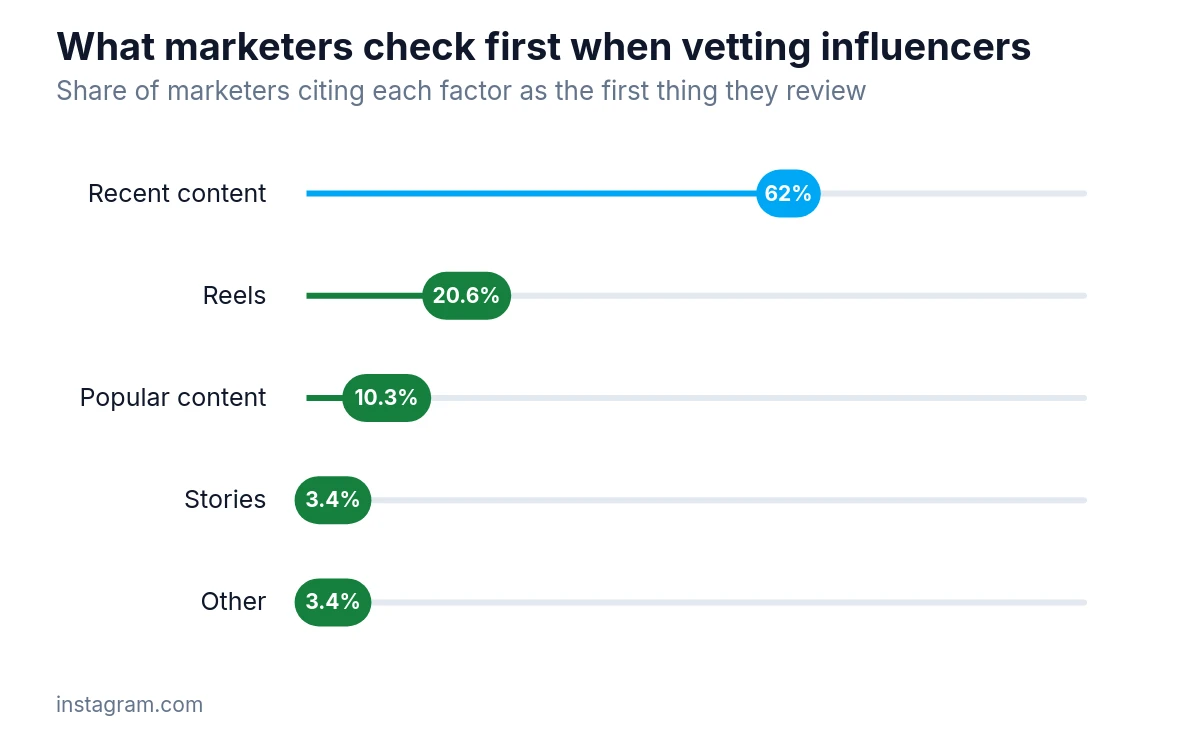
Sixty-two percent of marketers check an influencer’s recent content first when vetting them, far more than the roughly 21% who look at Reels or the smaller shares who check other formats.
Audience Demographics and Fit
A brand selling high-end liquid foundations wants to know that your audience can afford and is interested in buying high-end liquid foundations. This sounds obvious, but many creators pitch brands without thinking about whether their audience actually aligns with that brand's customer.
If your channel focuses on drugstore dupes and budget beauty, you are a natural fit for affordable brands and a harder sell for luxury ones, regardless of your numbers. That is not a problem; it just means you should pitch accordingly. Knowing your audience demographics (age range, location, spending habits) and being able to speak to them confidently in a pitch is a significant advantage.
Content Quality and Consistency
Brands look at your last 10 to 15 videos, not just your best one. Consistent upload schedules, consistent production quality, and a clear channel identity all signal that you are a reliable partner. A brand does not want to sponsor a creator who posts three videos in a week and then disappears for two months.
Production quality does not mean expensive equipment. Good lighting, clear audio, and thoughtful editing matter more than camera specs. Many successful beauty creators film on smartphones with a ring light and a decent microphone.
Building a Channel That Attracts Sponsorships
Getting sponsorships is partly a numbers game and partly a positioning game. You can improve your odds significantly before you ever send a pitch.
Develop a Clear Niche
"Beauty" is too broad. "Affordable everyday makeup for women over 40" or "bold editorial looks using only cruelty-free products" is a niche. Brands can immediately picture their product fitting into your content when you have a specific angle.
A clear niche also builds a more loyal audience faster than general beauty content, because viewers who care about your specific focus will return consistently. That loyalty shows up in engagement metrics, which is exactly what brands are checking.
Create a Media Kit
A media kit is a one to two page document (usually a PDF) that presents your channel professionally. It should include:
- Your channel name and a brief description of your content focus
- Key statistics: subscriber count, average views per video, engagement rate, monthly impressions
- Audience demographics if you have access to them through YouTube Studio
- Examples of your best-performing content
- Any previous brand collaborations
- Your contact information and rates (optional at this stage)
You do not need a graphic design background to make one. Tools like Canva have media kit templates that work well. Having one ready means that when a brand reaches out, or when you reach out to a brand, you can respond professionally within minutes.
Make Your Contact Information Findable
This is a small thing that costs many creators real opportunities. Your business email address should be in your YouTube channel description, your Instagram bio if you have one, and easy to find. Brands and their PR agencies often do quick searches for creator contact info. If they cannot find it in 30 seconds, they move on.
Use a professional email address, not a personal one. Something like [yourchannelname][email protected] is fine.
How to Find and Approach Makeup Brands
Most sponsorships do not come from brands discovering you organically, at least not at first. The creators who build consistent brand relationships are usually the ones who reach out first.
Start With Brands You Already Use
Your most credible pitches will be for products you genuinely use and like. If you have been buying a particular setting spray for two years, you can speak about it with real enthusiasm and specific knowledge. Brands can tell the difference between a creator who actually uses their products and one who is just looking for any deal.
Make a list of 10 to 20 makeup brands whose products appear in your videos or that you would genuinely want to feature. Include a mix of sizes: a few large brands, several mid-size ones, and some indie or emerging brands. Smaller brands often have more flexible budgets and are more open to working with mid-size or smaller creators.
Research the Right Contact
Emailing a brand's general customer service inbox is rarely effective. You want to reach the influencer marketing manager, PR coordinator, or brand partnerships team. For smaller brands, this might be the founder or a single marketing person.
LinkedIn is useful for finding the right contact at a brand. Search the company name and look for titles like "Influencer Marketing," "PR and Partnerships," or "Social Media." Some brands also list partnership contact information on their website, often in a footer link labeled "Influencer Program" or "Collaborate With Us."
Write a Pitch That Respects Their Time
A good pitch email is short, specific, and focused on what you can do for the brand, not what you want from them. A structure that works:
- A one-sentence introduction: who you are and what your channel covers
- Why you are reaching out to this specific brand (be genuine and specific)
- A brief description of what you are proposing: a dedicated review, a tutorial featuring their product, a series
- Your key stats, or a link to your media kit
- A clear call to action: ask if they would be open to discussing a collaboration
Keep it to four or five short paragraphs. Attach your media kit as a PDF. Do not paste your entire statistics breakdown into the email body.
Subject lines matter. Something like "Partnership Inquiry - [Your Channel Name] - [Niche]" is clear and professional. Avoid subject lines that sound like mass outreach.
Use Influencer Marketing Platforms
Several platforms exist specifically to connect brands with creators. These include networks where brands post campaign briefs and creators apply, as well as marketplaces where you create a profile and brands browse. Some well-known options in this space include AspireIQ, Grin, Creator.co, and YouTube's own BrandConnect feature.
These platforms are particularly useful for creators who are earlier in their career, because they lower the barrier to getting a first deal. The rates on these platforms can be lower than direct negotiation, but the experience and the case study for your media kit are worth it.
Negotiating and Structuring Deals
Once a brand expresses interest, you need to know what you are agreeing to and what to ask for.
Understand the Different Types of Deals
Not all sponsorships work the same way. The main structures you will encounter:
- Gifting: The brand sends you free products with no payment, hoping you will feature them. You are under no obligation to post, and you should disclose any gifted products if you do.
- Affiliate partnerships: You receive a unique discount code or link. You earn a commission on sales you drive. No upfront payment.
- Paid sponsorships: The brand pays a flat fee for a specific deliverable, such as a dedicated video, a sponsored segment within a video, or a series of posts.
- Long-term ambassador deals: An ongoing relationship with regular content requirements, often the most lucrative arrangement.
For your first few deals, gifting and affiliate arrangements are reasonable ways to build a track record. But you should move toward paid sponsorships as your channel grows and as you can demonstrate results.
Know Your Rates
Rates in the creator economy vary widely based on niche, engagement, audience size, and the scope of the deliverable. According to IMH's 2026 survey, UGC creator cost ranges came in below $500 for roughly 80% of creators, which gives you a useful floor when thinking about where to start. The key principle is this: calculate what your time is worth. A dedicated video might take 6 to 10 hours to film, edit, and publish. A sponsored segment within a longer video takes less. Price accordingly.
Research what other creators in your niche charge by asking in creator communities, Facebook groups for influencers, or platforms like Creator.co that sometimes publish rate benchmarks. Do not underprice yourself to win a deal, because it sets a precedent for that brand and signals low value to others.
Always Use a Contract
For any paid deal, get the terms in writing. A basic agreement should cover:
- Exactly what content you will create and on which platforms
- The timeline and deadline for delivery
- The payment amount and payment schedule
- How long the brand has exclusivity (if any) over your content in their category
- Usage rights: whether the brand can repurpose your content in their own advertising
- FTC disclosure requirements (more on this below)
Many brands will send their own contract. Read it carefully, particularly the usage rights section, which can be broad. Brands commonly include contractual approval and takedown rights, reserving the ability to review all posts before they go live and to require removal at any time. It is reasonable to negotiate terms you are uncomfortable with.
FTC Disclosure and Why It Matters
The Federal Trade Commission requires that creators clearly disclose when content is sponsored or when products were gifted. This is not optional, and it applies regardless of your audience size. The FTC's guidance covers the disclosure of material connections to brands, including any financial relationship such as payment or receiving free or discounted products.
For YouTube, this means verbally disclosing at the start of a sponsored video ("This video is sponsored by...") and using YouTube's built-in paid promotion disclosure checkbox in your video settings. For gifted products you choose to review, you should disclose that the product was sent to you by the brand.
Beyond the legal requirement, disclosure builds trust with your audience. Viewers who feel deceived do not come back. Brands that work with creators who have loyal, trusting audiences get better results, which means they come back for more deals. Transparency is good business, and with purchases influenced by influencer recommendations affecting nearly half of all social media users, the stakes for maintaining that trust are real.
Turning One Deal Into an Ongoing Relationship
A single sponsored video is a transaction. An ambassador relationship is a career asset. The difference usually comes down to what happens after the video goes live.
Send the brand a performance report two to four weeks after the video publishes. Include the view count, watch time, engagement metrics, and if you have an affiliate link, the click and conversion data. Most creators do not do this, which means doing it makes you stand out immediately.
If the campaign performed well, say so clearly and suggest a follow-up collaboration. If it underperformed, be honest about why and what you would do differently. Brands appreciate creators who treat the relationship professionally and think about results, not just content.
Also consider how you talk about the brand outside of sponsored content. If you genuinely like a product, mentioning it organically in other videos (with a disclosure if it is within an exclusivity window) reinforces your credibility as a genuine advocate rather than someone who only talks about brands when paid to do so.
Building Momentum Over Time
The first sponsorship is the hardest to get. After that, each deal makes the next one easier because you have proof of concept, a case study, and growing confidence in how the process works.
A few habits that compound over time:
- Keep your media kit updated every few months as your stats grow
- Build a simple spreadsheet tracking every brand you have contacted, the date, their response, and any follow-up needed
- Stay active in creator communities where brands and other influencers share opportunities
- Pay attention to which of your videos perform best and pitch brands whose products fit those formats
Makeup sponsorships are available at every level of the creator economy. The creators who land them consistently are not always the biggest or the most talented. They are the ones who treat it like a business, show up professionally, and keep reaching out.