Creative Content Ideas for Popular YouTube Niches
Why Most YouTube Channels Plateau
You post consistently. You follow the upload schedule. You watch the analytics obsessively. And yet the channel sits at the same subscriber count it did three months ago.
The problem usually is not production quality or posting frequency. It is content that blends in. When every cooking channel posts "5 Easy Weeknight Dinners" and every finance channel posts "How I Saved $10,000 in a Year," the audience has no reason to click on yours specifically.
The channels that grow are the ones that take familiar topics and approach them from angles the audience has not seen before. This guide breaks down specific, actionable content ideas across the most popular YouTube niches, with a focus on angles that are genuinely underused.
Personal Finance and Money
Finance is one of the most saturated niches on YouTube, which means generic advice gets ignored. The creators who break through tend to pick very specific audiences or very specific scenarios.
Ideas That Actually Stand Out
The "I Tried Living on X Budget in My City" Series Instead of general budgeting advice, document a real attempt to live on a specific weekly or monthly budget in your actual city. The local specificity makes it immediately more useful and more watchable than abstract tips. Viewers in your city will share it. Viewers in other cities will watch it to compare.
Reviewing Financial Products Nobody Talks About High-yield savings accounts and index funds get covered constantly. What about credit union membership benefits, I-bonds, health savings account investment options, or employer stock purchase plans? These products affect millions of people who have never seen a clear explanation of how they work.
"What Happens If You..." Scenarios What happens if you miss a credit card payment once? What happens if you overdraft your account repeatedly? What happens if you never open a retirement account until 40? These scenario-based videos answer questions people are embarrassed to search for directly, which means they get shared heavily.
Salary Transparency Interviews Ask real people (with anonymity if needed) about their income, expenses, and financial decisions. The format works because money is still largely taboo, and people are intensely curious about what others actually earn and spend.
Rebuilding After Financial Disaster Bankruptcy, medical debt, job loss. These stories are underrepresented compared to "how I got rich" content, and they reach an audience that feels excluded from typical finance channels.
Cooking and Food
Food content is visually driven, which means most creators focus heavily on aesthetics. That is a good instinct, but it also means the niche is full of channels that look similar. The differentiation usually comes from concept, not camera work.
Ideas That Cut Through
Ingredient Deep Dives Pick one ingredient and spend an entire video exploring everything about it. Not just recipes, but history, regional variations, how to buy the best version, how to store it, and what goes wrong when people cook with it. A video entirely about garlic, or anchovies, or miso, done with real depth, will outperform a generic "10 pasta recipes" video for years.
Cooking for One, Done Seriously Most cooking content is implicitly designed for families or couples. One-person households in the United States made up 27.6% of all households in 2020, yet almost no cooking content speaks directly to them. The challenge is not just scaling recipes down. It is managing ingredients before they go bad, cooking without motivation when you are the only one eating, and making meals that feel worth the effort.
Recreating Restaurant Dishes from Memory Watch a cooking show or visit a restaurant, then try to recreate the dish from taste alone without looking up the recipe. The trial-and-error format is more entertaining than polished tutorials, and the problem-solving process teaches viewers more about flavor and technique than a step-by-step guide would.
The "What Went Wrong" Format Most cooking channels show success. A channel that honestly examines why dishes fail, with real failures on camera, fills a gap. Why did the bread not rise? Why did the sauce break? Why is the chicken dry? Failure analysis is genuinely educational and surprisingly rare.
Regional American Food That Gets No Attention Everyone covers Italian, Japanese, Mexican, and French cuisine. But Appalachian cooking, Gullah Geechee food, Midwestern church potluck culture, and Hawaiian plate lunch traditions are almost entirely absent from YouTube. These are rich subjects with passionate audiences who feel invisible.
Fitness and Health
The fitness niche has a credibility problem. Audiences have been burned by bad advice, exaggerated claims, and influencers selling supplements. The creators who build loyal audiences are the ones who earn trust through honesty and specificity. That concern is widespread: a national survey found that health misinformation and social media are deeply intertwined, with 70% of respondents worried about false health information online even as six in 10 regularly turn to social platforms for health advice.
Ideas Worth Pursuing
Training for Specific Life Situations Not "how to get fit" but "how to stay active when you work a 12-hour shift," "how to train with a bad knee," or "fitness for people who hate gyms." The more specific the situation, the more intensely the right viewer connects with it.
Long-Term Progress Documentation Not a 30-day transformation. A genuine, unedited year-long or multi-year documentation of training, setbacks, plateaus, and slow progress. This format is rare because it requires patience, but it builds an audience that trusts you completely because they watched you struggle honestly.
Debunking Fitness Myths with Context Not just "this is wrong" but "here is why this myth started, who it might actually apply to, and what the evidence actually shows." The nuance makes the content more useful and positions you as someone who thinks carefully rather than someone chasing controversy.
Sport-Specific Conditioning for Amateur Athletes Weekend warriors who play recreational soccer, basketball, or tennis have almost no content aimed at them. They are not trying to go pro. They just want to play better and get injured less. This is a large, enthusiastic audience with money to spend and almost no one speaking directly to them.
Fitness After 40, 50, and Beyond The fitness industry skews young. Older adults who want to stay active face different challenges (recovery time, joint health, hormonal changes, motivation) and have almost no relatable content. A creator who speaks honestly to this audience can build something significant.
Travel
Travel content exploded during the years when people could not travel, and it has not slowed down. YouTube travel content growth hit 64% quarter-over-quarter in the second quarter of 2025, with travel videos pulling in 593 billion views in just the first half of that year. The challenge is that destination videos are everywhere. The creators who stand out have found ways to make travel content about something more than just the place.
Ideas That Work
The Logistics Video Not "why you should visit Portugal" but "exactly how I planned and booked a two-week trip to Portugal for two people on a moderate budget, including every mistake I made." Practical logistics content gets bookmarked and rewatched. Inspirational destination content gets liked and forgotten.
Slow Travel Documentation Spending a month in one neighborhood rather than hitting every tourist landmark in a country. This format is more honest about what travel actually feels like, and it appeals to viewers who are tired of highlight-reel content.
Traveling with Constraints Traveling with a disability, with dietary restrictions, with a very limited budget, with young children, or as a solo woman. These constraint-based travel videos serve audiences who feel like standard travel content was not made for them.
The "I Moved Here" Series Not visiting a place but actually living there. What is it like to rent an apartment, open a bank account, navigate healthcare, and make friends in a foreign country? This content is deeply useful for the growing number of people considering remote work abroad.
Undervisited Destinations in Visited Countries Everyone covers Paris, Rome, and Tokyo. The second-tier cities in those same countries, places like Marseille, Palermo, or Kanazawa, have passionate local audiences and almost no English-language YouTube content. Ranking for these searches is far easier, and the viewers who find you are highly engaged.
Technology and Gadgets
Tech YouTube is dominated by review channels, which means the niche is crowded with people doing essentially the same thing. Differentiation comes from either going deeper than anyone else or approaching the subject from a completely different angle.
Ideas That Stand Out
Long-Term Reviews Most tech reviews come out within days of a product launch, when the reviewer has had the device for a week. A review after six months or two years of daily use is far more useful and almost nobody does it consistently. Did the battery hold up? Did the software updates improve or break things? Did the hype match reality?
Tech for Non-Tech People Most tech content assumes the viewer already knows what they are looking at. A channel that genuinely explains technology to parents, grandparents, or people who find devices stressful fills a real gap. The tone matters enormously here. Condescension kills this format. Patience and respect make it work.
The Hidden Cost of Technology What does it actually cost to own a smart home ecosystem over five years, including subscriptions, replacements, and compatibility issues? What are the privacy trade-offs of using free apps? This investigative angle is underused and appeals to viewers who are skeptical of pure enthusiasm.
Repair and Longevity Content How to fix common problems, extend the life of aging devices, and avoid unnecessary upgrades. This content runs directly counter to the industry's interests, which is exactly why audiences trust it.
Gaming
Gaming is one of the largest niches on YouTube and one of the hardest to break into with pure gameplay content. The channels that grow tend to have a strong personality or a distinctive format rather than just good gameplay.
Ideas Worth Trying
The "I Played This Game Wrong" Format Attempting to complete a game using only one weapon, or without spending any currency, or with a specific self-imposed rule set. The constraint creates narrative tension and makes familiar games feel fresh.
Gaming History and Context Why did a specific game fail commercially despite being critically praised? How did a particular studio go from beloved to bankrupt? What was the gaming scene like in a specific country during a specific decade? This documentary-style content has a long shelf life and attracts viewers who are not necessarily playing games right now.
Honest Reviews of Old Games Going back to games that were considered classics and evaluating them honestly by modern standards. Do they hold up? What do they do better than modern games? What has aged badly? This format generates strong opinions and strong engagement.
The Learning Curve Series A complete beginner attempting to learn a notoriously difficult game, documented honestly. The appeal is not the gameplay itself but the process of getting better at something hard. Viewers who have struggled with the same game feel seen.
Gaming on a Budget How to build a decent gaming setup for very little money. What are the best free-to-play games that are actually good? How do you get the most out of older hardware? Budget content reaches a large audience that premium gaming channels ignore.
Education and Explainers
Explainer content is growing fast, driven by audiences who want to understand complex topics without sitting through a lecture. The challenge is that good explanation is genuinely hard to do, and most channels underestimate how much work it takes.
Ideas That Work Well
Explaining One Concept, Completely Not a broad overview of economics but a deep, thorough explanation of one specific concept, like opportunity cost or comparative advantage. Not a general history of World War II but a careful examination of one specific decision or moment. Depth beats breadth for building a loyal audience.
The "How Did This Get Approved?" Format Examining decisions, products, policies, or events that, in retrospect, seem obviously bad. Why did regulators approve this drug? How did this building get built? Who signed off on this policy? The format is inherently engaging because it starts with a puzzle.
Connecting Historical Events to Current Situations Not "here is what happened in 1929" but "here is what happened in 1929 and here is exactly how it connects to what is happening right now." The connection has to be specific and honest, not forced. When it works, this format creates content that feels immediately relevant.
Explaining Things Experts Get Wrong When Explaining Them Physicists often explain quantum mechanics in ways that are technically accurate but deeply misleading to non-physicists. Economists explain markets in ways that leave out crucial context. A channel that identifies these common miscommunications and corrects them gently builds an audience of people who feel like they finally understand something.
Lifestyle and Productivity
Lifestyle content is broad enough that almost anything fits, which is both an opportunity and a trap. The channels that build real audiences have a clear point of view, not just a collection of aesthetically pleasing videos.
Ideas That Cut Through
Anti-Productivity Content The productivity niche is full of advice about doing more, optimizing systems, and maximizing output. A channel that honestly examines the costs of that mindset, and offers a more sustainable alternative, speaks to a large and growing audience that is burned out on hustle culture.
Honest "Day in My Life" Content Not a curated highlight reel but a genuinely honest look at a day, including the boring parts, the frustrating parts, and the moments that did not go as planned. The contrast with polished lifestyle content makes it immediately more relatable.
Minimalism for People Who Like Things Most minimalism content is aspirational and slightly preachy. A channel that applies minimalist thinking practically, without the aesthetic dogma, reaches people who want to simplify their lives without feeling judged for owning a gaming console or a collection of cookbooks.
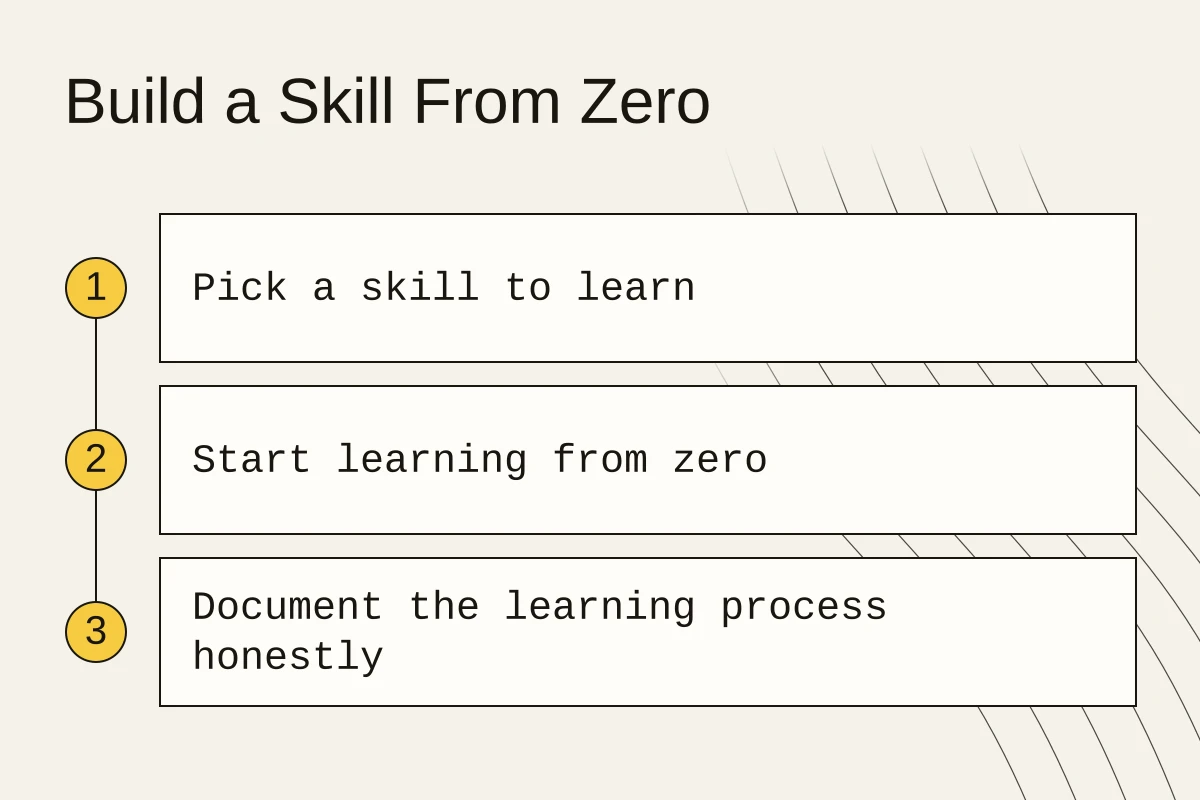
Building a Skill From Zero Pick a skill, start at zero, document the entire learning process honestly. Woodworking, drawing, coding, a musical instrument, a new language. The format works because viewers learn alongside you, and the honest documentation of struggle is more useful than polished tutorials from someone who forgot what it felt like to be a beginner.
Finding Your Angle
The ideas above are starting points, not finished concepts. The ones that will actually work for your channel depend on two things: what you genuinely find interesting enough to research and talk about for years, and what specific audience you are trying to reach.
The most common mistake new creators make is picking a niche based on what seems popular rather than what they can speak to with real knowledge or genuine curiosity. Audiences are good at detecting the difference between someone who is interested in their subject and someone who picked it because the search volume looked promising.
Pick the angle that makes you want to start filming today. That urgency tends to show up on camera in ways that no amount of production polish can replicate.