Maintaining Trust: Navigating Sponsored Content on YouTube
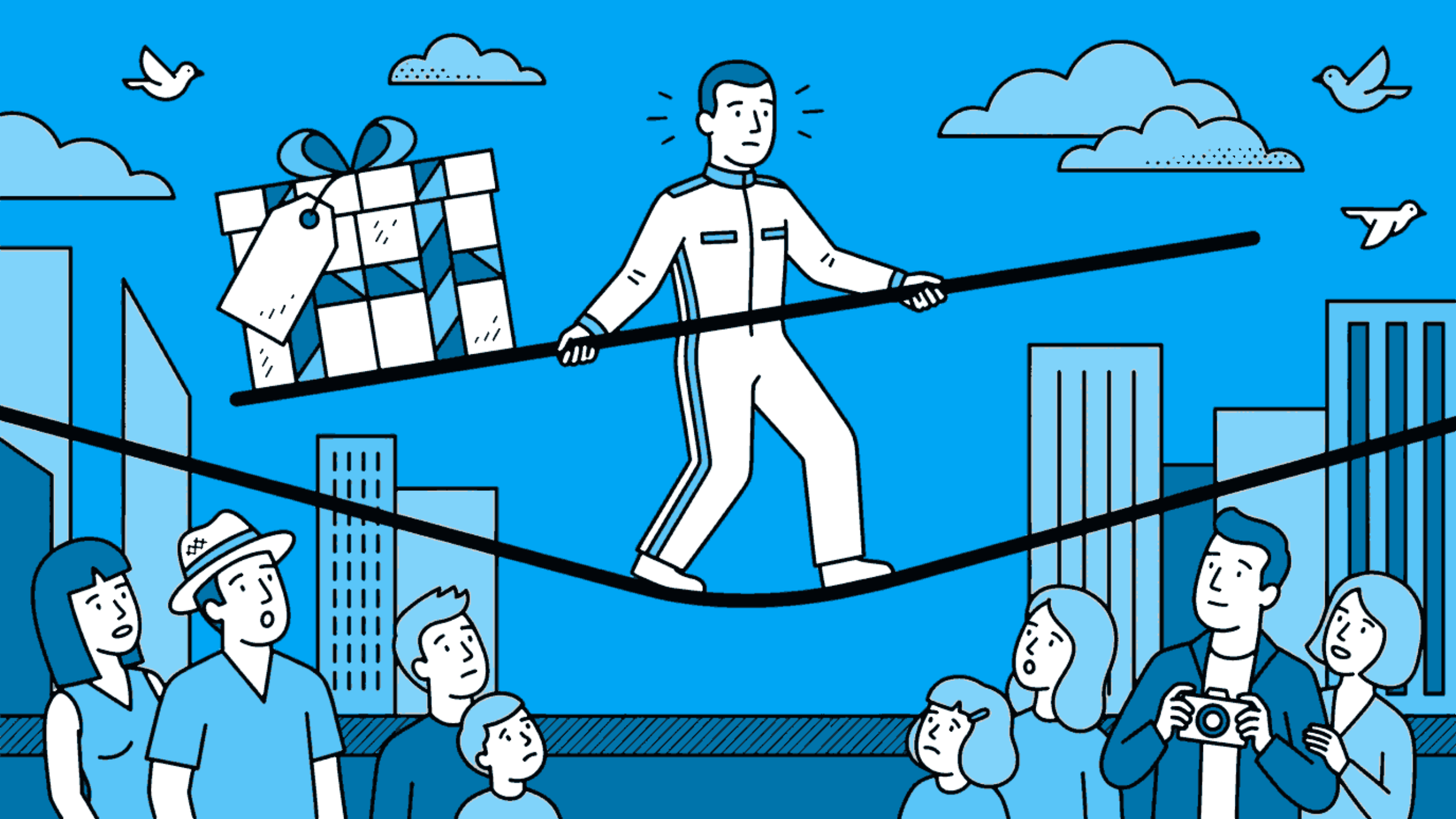
The Deal That Can Cost You More Than It Pays
A creator with a few hundred thousand subscribers accepts a brand deal, reads the script, collects the check, and moves on. Then the comments arrive. Viewers who have followed this person for years start asking whether any of the content is real anymore. A few unsubscribe. The next video performs worse than usual, and the algorithm notices.
This scenario plays out constantly on YouTube, and it points to something that experienced creators understand: sponsored content is not just a revenue stream. It is a test of the relationship between a creator and their audience, run in public, with lasting consequences either way.
Getting it right means more than following disclosure rules. It means thinking carefully about which brands you work with, how you present those partnerships, and whether the short-term income is worth the long-term cost to your credibility. This article covers the practical and strategic side of that judgment.
Why Audience Trust Is the Actual Product
Before getting into tactics, it helps to be clear about what is actually at stake.
Your audience watches you because they trust your perspective. They have decided, through repeated exposure, that your opinions and recommendations are worth their time. That trust is the foundation of everything: your view count, your subscriber growth, your ability to charge meaningful rates for sponsorships in the first place.
Brands pay for access to that trust. When a sponsor puts their product in your video, they are borrowing the credibility you have built. The moment your audience suspects that credibility is for sale to anyone with a budget, the trust erodes, and so does the value you can offer any sponsor.
This is why creators who treat every deal as purely transactional tend to plateau or decline. And it is why creators who are selective, transparent, and consistent about sponsorships often find that their audience becomes more loyal over time, not less.
Disclosure: The Floor, Not the Ceiling
Legal disclosure requirements exist in most major markets. In the United States, the FTC requires disclosures of brand relationships in simple and clear language whenever a financial, employment, personal, or family connection exists between a creator and a brand. The UK's ASA has similar rules. YouTube paid promotion disclosures are also mandatory: if your video features branded content, sponsorships, endorsements, or other commercial relationships, you must select the paid promotion button in your video details.
The practical standard is that disclosure needs to be clear and prominent. Burying "#ad" in a wall of hashtags in the description does not meet the spirit of the requirement, and the FTC has made that increasingly clear, sending disclosures of paid posts reminders to more than 90 influencers and advertisers. Verbal disclosure at the start of a video, or at the beginning of the sponsored segment, is the more defensible approach.
But disclosure is the minimum. It tells your audience that a commercial relationship exists. It does not tell them whether you actually believe in the product, whether you tested it, or whether you would recommend it if no money were involved. Those questions are what actually shape trust, and they are answered by everything else you do around the sponsorship.
Choosing Brands Worth Associating With
The single most important decision in sponsored content is which deals to accept. Saying no to the wrong brand is worth more than any disclosure language or careful scripting.
A few questions worth asking before signing:
- Have you used this product or service? Would you recommend it to a friend without being paid?
- Does the brand's reputation align with how your audience sees you?
- Are there any known controversies, lawsuits, or consumer complaints about this company?
- Does the product category make sense for your channel? A personal finance creator promoting a high-fee investment product, or a health channel promoting a supplement with no credible evidence behind it, creates a specific kind of credibility problem that is hard to walk back.
Some creators maintain a personal policy of only promoting products they have actually used for a meaningful period before agreeing to the deal. This limits the volume of sponsorships you can take, but it also means you can speak about the product with genuine knowledge rather than reading from a brand-supplied script.
The category of "brands to avoid entirely" is worth thinking through too. Certain industries carry reputational risk regardless of the specific company: predatory lending products, gambling platforms marketed without responsible gaming context, supplements making unverifiable health claims, and services with documented patterns of misleading customers. A single deal in one of these categories can define how a segment of your audience sees you permanently.
How to Structure the Sponsored Segment
Once you have accepted a deal, how you present it matters as much as which deal you took.
Placement and Length
Most experienced creators place sponsorships either at the beginning (before the main content begins) or at a natural break point in the middle. End-of-video placements get the least engagement, which is worth knowing both for your own metrics and when negotiating with brands.
Length is a common point of friction. Brands often want more time than viewers will tolerate. A segment that runs longer than 60 to 90 seconds starts to feel like an interruption rather than a recommendation. If the brand requires a lengthy read, consider whether you can negotiate the script down or whether the deal is worth the viewer experience cost.
Your Voice vs. the Brand's Script
Most brands provide a script or talking points. Using those verbatim is a mistake for two reasons. First, scripted language sounds scripted, and your audience will notice. Second, if you are saying things you have not verified or do not believe, you are putting your credibility behind claims that are not yours.
The better approach is to take the brand's key messages and translate them into how you would actually talk about the product. Add your own experience where you have it. If there are aspects of the product you cannot honestly endorse, negotiate to remove them from the required talking points, or walk away from the deal.
Watch how setting feedback limits before recording helps keep the creator’s voice intact.
Some creators are explicit with their audience about this process, noting that while the brand provided the partnership, the words are their own. That kind of transparency tends to land well. Research published in the Journal of Marketing found that brands' over-reliance on short-term metrics and excessive control over content can erode trust and creative authenticity in influencer partnerships, sometimes pushing creators toward inauthentic shortcuts to meet expectations.
Honest Limitations
One of the most effective things a creator can do in a sponsored segment is acknowledge what the product does not do, or who it is not right for. This sounds counterintuitive from a sales perspective, but it does something important: it signals to the audience that you are giving them real information rather than a sales pitch.
"This works well for X, but if you are doing Y, it is probably not the right fit" is a sentence that builds trust. It also tends to drive better conversion for the brand, because the people who do click through are genuinely good fits for the product.
Rates, Negotiation, and the Value of Your Audience
Pricing sponsored content is genuinely difficult because there is no universal standard. Rates vary enormously based on channel size, niche, audience demographics, engagement rate, and the type of integration the brand wants.
A few principles that hold across most situations:
Your engagement rate matters more than your raw subscriber count. A channel with 200,000 subscribers and a 10% engagement rate is more valuable to most brands than a channel with 500,000 subscribers and 1% engagement. Brands that understand this will pay accordingly. Brands that only look at subscriber counts are often not the best partners anyway.
Your niche affects your rate significantly. Channels covering personal finance, software, business tools, or professional skills typically command higher rates than entertainment or lifestyle channels of the same size, because the audience has higher purchasing power and the products being sold have higher margins.
Exclusivity costs more. If a brand wants you to avoid promoting competitors for a period of time, that restriction should be priced into the deal. The same applies to usage rights: if the brand wants to use your footage in their own advertising, that is a separate value and should be negotiated separately.
The most common mistake new creators make is undercharging because they are grateful for the opportunity. Undercharging is not just a financial problem. It can attract brands with smaller budgets who are less professional to work with, and it sets a baseline that is hard to raise later with the same brand.
Handling Audience Pushback
Even when you do everything right, some viewers will object to sponsorships. This is normal and not necessarily a sign that you have made a mistake.
The response that tends to work best is honest and direct. Acknowledge that the channel is supported by brand partnerships. Explain, briefly, how you decide which brands to work with. If a viewer has a specific concern about a particular brand, address it factually if you can.
What does not work is defensiveness or dismissiveness. Telling your audience that they should just skip the sponsored segment if they do not like it signals that you see the sponsorship as separate from your relationship with them, which is exactly the wrong message.
If you receive significant pushback about a specific brand, take it seriously as information. Your audience often knows things about a company's reputation that you do not. A pattern of complaints about a product you promoted is worth investigating, and if the complaints turn out to be valid, acknowledging that publicly is far better than hoping it blows over.
Long-Term Brand Relationships vs. One-Off Deals
Ongoing partnerships with a single brand tend to be better for your audience relationship than a constant rotation of different sponsors. When your audience sees you working with the same brand over many months, it reads as a genuine endorsement rather than a transaction. It also gives you time to actually know the product well, which makes your segments more credible.
One-off deals are fine, but they require more work to present authentically. If you have only been using a product for two weeks because that is when the brand reached out, be honest about that. "I have been testing this for the past few weeks" is more credible than implying a longer relationship that does not exist.
Some creators negotiate trial periods before committing to a partnership, using the product for a month or two before agreeing to promote it. This costs you the deal if you do not like the product, but it means you only promote things you can speak about honestly.
What the Best Sponsored Content Actually Looks Like
The sponsored segments that perform best, in terms of viewer retention and conversion, tend to share a few characteristics. They feel like a natural extension of the video rather than a break from it. The creator speaks from personal experience rather than a script. The segment is concise. And the creator is honest about both the strengths and the limitations of what they are promoting.
This is not a formula that works for every brand or every channel. But it reflects a consistent pattern: audiences respond to honesty, and brands benefit from it too. A creator who maintains their credibility over years of sponsorships is a more valuable partner than one who burns through audience trust for short-term revenue.
Building a Sustainable Approach
The creators who handle sponsored content best tend to treat it as a long-term practice rather than a series of individual decisions. They develop clear personal criteria for what they will and will not promote. They invest in understanding the products they represent. They communicate openly with their audience about how sponsorships work on their channel. And they are willing to turn down money when a deal does not meet their standards.
That last point is worth sitting with. Turning down a deal that does not fit is not just an ethical choice. It is a business decision. The audience trust you protect by saying no to the wrong brand is worth more, over time, than any single sponsorship payment.
YouTube audiences are perceptive. They notice when a creator's recommendations feel genuine and when they feel like they are being sold to. The creators who figure out how to do both, to maintain a real relationship with their audience while building a sustainable business through brand partnerships, are the ones who tend to last.