Top Makeup Brands Looking to Sponsor YouTube Channels
YouTube beauty content has become one of the most effective marketing channels the cosmetics industry has ever seen. A single tutorial from a trusted creator can move more product than a traditional ad campaign, and makeup brands know it. With consumer trust in influencers running at 92% compared to traditional marketing tactics, the result is a well-funded sponsorship market where creators at almost every subscriber level can find paid partnerships, if they know where to look and how to position themselves.
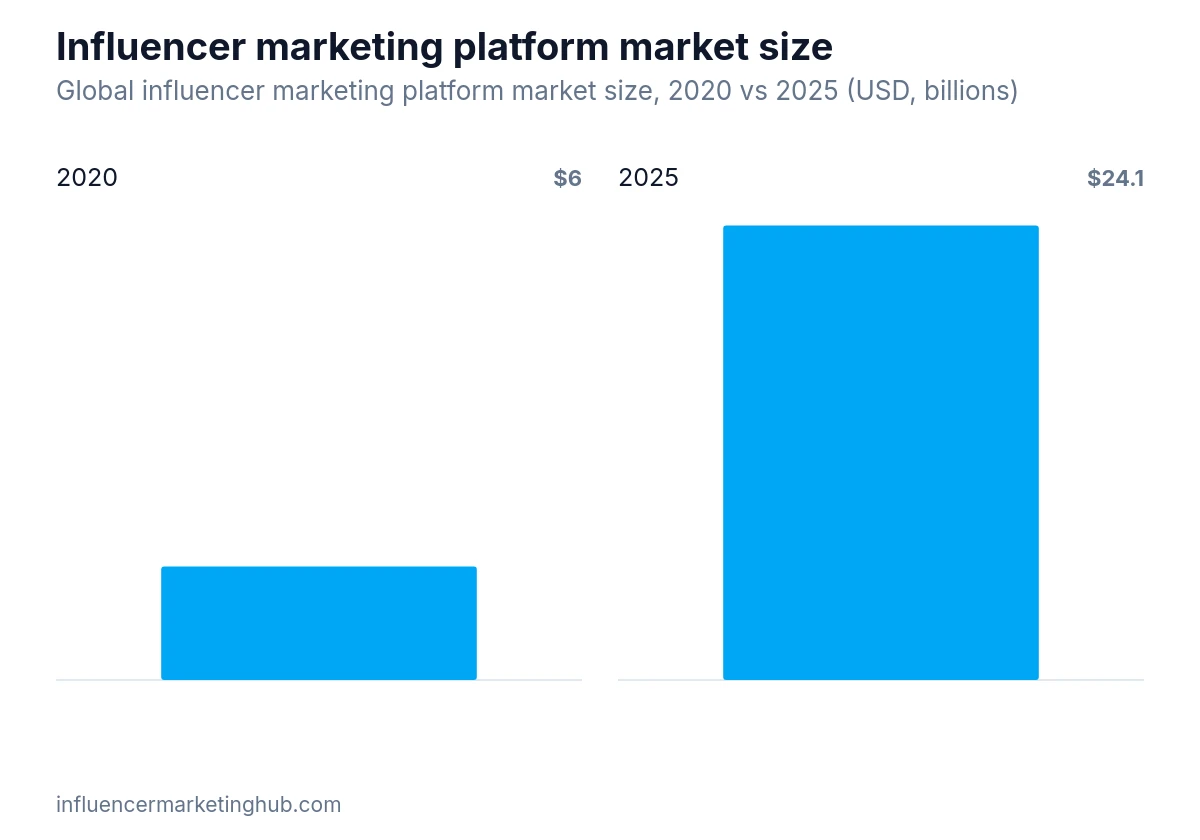
The global influencer marketing platform market grows from about $6 billion in 2020 to about $24.1 billion in 2025, roughly quadrupling.
This guide covers the makeup brands most actively working with YouTube creators, what they typically look for in a partner, and how to approach the process of landing a deal.
The Brands That Consistently Sponsor Beauty Creators
Not every makeup brand runs an active influencer program, but many of the biggest names in cosmetics have made YouTube partnerships a core part of their marketing budget. Here are the brands that appear most frequently in sponsored beauty content.
L'Oreal Paris and Maybelline
Both brands are owned by the L'Oreal Group and both run large-scale influencer programs. L'Oreal Paris tends to work with creators who have a polished, aspirational aesthetic and an audience that skews toward women in their late twenties and older. Maybelline casts a wider net, partnering with creators across age groups and content styles, from full glam tutorials to everyday natural looks.
L'Oreal's broader group also includes NYX Professional Makeup, which has been especially active with mid-tier and smaller YouTube creators. NYX built much of its early brand recognition through influencer marketing before it was a mainstream strategy, and it continues to prioritize creator partnerships over traditional advertising.
e.l.f. Cosmetics
e.l.f. has become one of the most creator-friendly brands in the industry. The company has a dedicated influencer team, runs affiliate programs, and regularly reaches out to creators who are not yet at the mega-influencer level. Their positioning as an affordable, accessible brand makes them a natural fit for creators whose audiences are younger or budget-conscious. Their micro-influencer community of 50 creators drove a 25% increase in Instagram followers, which gives you a sense of how seriously they take smaller partnerships. If you are a smaller channel looking for your first paid makeup sponsorship, e.l.f. is one of the more realistic targets.
Morphe
Morphe built its entire brand identity around YouTube beauty culture. The Morphe collaboration with Jaclyn Hill in 2017 set the tone, with Hill recalling selling hundreds of thousands of palettes in a single hour. The company continues to sponsor channels across the subscriber spectrum and tends to favor creators with high engagement rates and a genuine passion for color-heavy, editorial looks. Morphe also runs an affiliate program that many creators use as an entry point before negotiating a full sponsorship.
Charlotte Tilbury
Charlotte Tilbury targets a more premium audience and works with creators who project a luxury or high-fashion aesthetic. Their sponsorships tend to be more selective, but the deals are typically well-compensated. Creators who cover skincare alongside makeup, or who have an audience interested in anti-aging products, are a particularly strong fit.
Fenty Beauty
Rihanna's brand has made diversity and inclusivity central to everything it does, including its influencer strategy. Fenty actively seeks out creators from underrepresented groups and has worked with channels across a wide range of skin tones, ages, and content styles. They also tend to prioritize authenticity over production polish, which makes them accessible to creators who do not have a studio setup.
Rare Beauty
Selena Gomez's brand has grown quickly and runs an active creator program. Rare Beauty tends to work with creators who have a warm, personal connection with their audience and content that emphasizes mental wellness alongside beauty. The brand's values-driven positioning means they pay attention to the kind of community a creator has built, not just the size of it.
Urban Decay
Urban Decay has a long history with YouTube beauty content and tends to work with creators who lean toward bold, edgy, or artistic makeup. They are a good fit for channels focused on special effects, theatrical looks, or alternative aesthetics.
Drugstore and Mass-Market Brands
Beyond the names above, several mass-market brands run consistent YouTube sponsorship programs. CoverGirl, Rimmel, Wet n Wild, and Revlon all work with creators, typically at the mid-tier level. These brands often offer lower per-video rates than prestige brands, but they can be a good starting point for channels still building their track record.
What Makeup Brands Actually Look For
Getting sponsored is not purely a numbers game. Brands evaluate several factors before committing budget to a creator, and understanding those factors is more useful than chasing a specific subscriber count.
Engagement Rate Over Raw Subscriber Count
A channel with 50,000 highly engaged subscribers is often more attractive to a brand than one with 500,000 passive followers. Brands track comment quality as a leading indicator, separate from lagging metrics like revenue, repeat purchase, and CAC stabilization, alongside like-to-view ratios and how often viewers actually try the products creators recommend. If your audience trusts your recommendations and acts on them, that is more valuable than reach alone.
Audience Demographics
Brands want to know who is watching, not just how many people are watching. A creator whose audience is 80% women aged 18-34 in the US, UK, and Australia is a straightforward sell to most makeup brands. Creators with audiences that skew heavily international or toward demographics outside a brand's target market may find it harder to land deals with certain companies, even with strong numbers.
Content Consistency and Niche
Brands want to see that beauty content is a genuine focus, not an occasional side project. A channel that posts makeup tutorials consistently, has a recognizable style, and covers topics adjacent to the brand's product range is a much easier pitch than a general lifestyle channel that does beauty content once a month.
Brand Safety
This is a practical concern that creators sometimes underestimate. Brands review a creator's past content before signing any deal. Controversial videos, offensive comments, or content that conflicts with a brand's values can disqualify a creator regardless of their metrics. Keeping your channel's content and public persona consistent with how you want to be seen professionally matters more than many creators realize.
Production Quality
You do not need a professional studio, but your lighting, audio, and editing need to be good enough that the product is clearly visible and the video is watchable. Makeup brands in particular care about how their products appear on camera. If your lighting makes colors look muddy or your editing is choppy, it reflects on the product in the sponsored segment.
How to Actually Get Sponsored
Waiting for brands to find you works eventually if your channel grows large enough, but most successful creator-brand relationships start with the creator making the first move.
Build a Media Kit
A media kit is a short document (typically two to four pages) that summarizes who you are, who your audience is, and what you offer a brand partner. It should include your subscriber count, average views per video, engagement rate, audience demographics, and examples of past sponsored content or brand-aligned videos. Think of it as a resume for partnerships. Brands receive many pitches, and a well-organized media kit signals that you take your channel seriously as a business.
Join Influencer Marketing Platforms
Several platforms connect creators with brands looking for YouTube partnerships. Grapevine, AspireIQ, Creator.co, and Influencer.co are among the more established options in the beauty space. Many brands post open campaigns on these platforms, and creators can apply directly. This is one of the most reliable ways for mid-size channels to find paid work without relying on cold outreach.
Affiliate networks are also worth considering as a starting point. Many makeup brands run affiliate programs through networks like ShareASale, Rakuten, or their own direct programs. Earning commissions on sales builds a track record with a brand and can lead to a full sponsorship conversation.
Reach Out Directly
Cold outreach works when it is done well. Find the brand's PR or influencer marketing contact (often listed on their website under "press" or "partnerships," or findable via LinkedIn). Send a short, specific email that explains who you are, why your audience is a good fit for their products, and what you are proposing. Attach your media kit.
The key word is specific. An email that says "I love your products and would love to work together" gets ignored. An email that says "My channel focuses on drugstore dupes for luxury makeup, and my audience of 35,000 subscribers actively asks about affordable alternatives to your product range" gives a brand something to work with.
Be Consistent Before You Pitch
Brands will look at your channel before responding to any outreach. If your last video was three months ago, or if your content is inconsistent in quality or topic, that hurts your chances regardless of how good your pitch is. Build a consistent posting schedule and stick to it for at least a few months before approaching brands.
Negotiating and Structuring Deals
Once a brand expresses interest, you will need to negotiate terms. A few things to understand before you get to that conversation.
Types of Deals
The most common structures in YouTube beauty sponsorships are:
- Flat-fee sponsored segments within a video, where you dedicate 60 to 90 seconds to the brand's product
- Dedicated videos, where the entire video is built around the brand's product or campaign
- Affiliate-only deals, where you earn a commission on sales rather than a flat fee
- Product gifting, where a brand sends free product in exchange for a review or mention, with no guaranteed payment
Flat-fee deals are the most straightforward and give you the most predictable income. Affiliate deals can pay more if your audience converts well, but they carry more risk. Product gifting is not a sponsorship in any meaningful financial sense, and you should be clear with yourself about the difference.
Pricing Your Channel
Pricing is one of the hardest parts of influencer marketing for new creators. There is no universal rate card, but a common starting point is a calculation based on your average views per video. Many creators charge somewhere in the range of a few dollars per thousand views for a sponsored segment, with higher rates for dedicated videos or exclusivity clauses. Research what creators at your level are charging by asking in creator communities or forums, where these conversations happen openly.
Do not undercharge just to land a deal. Accepting very low rates sets a precedent and signals to brands that your audience is not valuable. If a brand's offer feels too low, it is reasonable to counter.
Disclosure Requirements
In most markets, paid partnerships must be disclosed to viewers. In the US, the FTC requires clear disclosure that a video or segment is sponsored. In the UK, the ASA has similar rules. The FTC's guidance on video disclosure placement is explicit: the disclosure must appear in the video itself, not only in the description. Brands that ask you to hide or minimize disclosure are asking you to break the law, and that is not a partnership worth taking.
Building Long-Term Brand Relationships
A single sponsored video is a transaction. A long-term brand partnership is a career asset.
The creators who build the most valuable sponsorship relationships treat brands as genuine partners rather than one-time clients. That means delivering on what you promised, communicating proactively if something changes, and producing content that actually serves both your audience and the brand's goals.
After a campaign ends, follow up with the brand's contact. Share the video's performance data. Ask for feedback. Let them know you are interested in future work. Brands that had a good experience with a creator will often return without requiring a new pitch process, and they may increase their budget as your channel grows.
Where to Focus Your Energy
The makeup sponsorship market rewards creators who are specific, consistent, and professional. Brands are not looking for the biggest channel available. They are looking for the right channel for their product, their audience, and their campaign goals.
If you are starting out, e.l.f., NYX, and Morphe are realistic first targets. Build your media kit, join a few influencer platforms, and start making direct contact with brands whose products you already use and genuinely like. That authenticity comes through in sponsored content, and brands can tell the difference between a creator who cares about their product and one who is just filling a slot.
As your channel grows and your track record builds, the doors to more selective brands open. The path from a first affiliate deal with a drugstore brand to a long-term partnership with a prestige label is a real one. It just takes time, consistency, and a willingness to treat your channel like the business it is.